Introduction
A Puffer Coat is no longer just a practical winter layer. It has become a key style piece that can shape the whole look. Today, the most current designs focus on strong silhouettes, clean proportions, elevated textures, and refined details. Cropped cuts, long cocoon shapes, funnel necks, stand collars, cinched waists, and polished finishes are all helping puffer styles feel fresher and more fashion-forward. In this article, you will learn which trends matter most right now, how different styles create different effects, and how to choose a puffer design that feels modern, wearable, and right for your wardrobe.
The Puffer Jacket Silhouettes Defining Trends Right Now
Cropped Puffer Jacket Styles That Feel Sharp and Modern
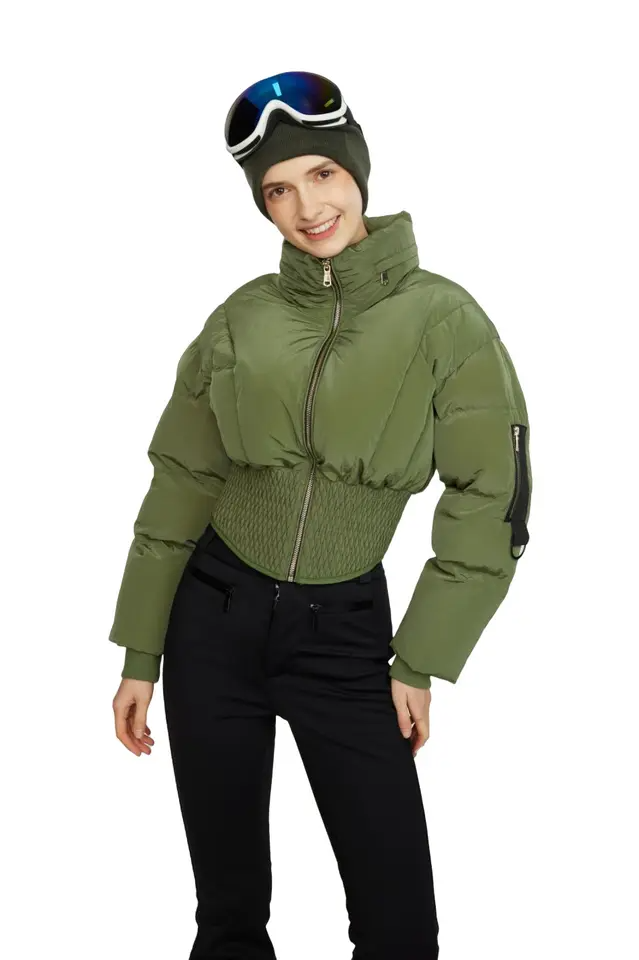
The cropped Puffer Coat is one of the clearest style signals right now. It looks cleaner than a bulky standard cut, and it works especially well with high-rise jeans, trousers, and column skirts. That shorter line helps the outfit feel intentional. It also lets the rest of the look show through, which is why editors keep treating outerwear as part of the outfit, not just a layer on top. In trend coverage, cropped shapes and cropped outerwear keep showing up as a fresh, fashion-first choice.
Long Cocoon Puffer Jacket Shapes for a Dramatic Look
At the other end, long cocoon styles are having a strong moment. These coats feel bold, calm, and expensive at the same time. A long Puffer Jacket creates presence without extra styling tricks, which is part of its appeal. Editors have highlighted floor-sweeping and elongated outerwear as especially chic, because the length itself adds drama. For cold-weather wardrobes, this shape also fits the current minimalist mood: one strong coat, one clean line, and very little effort needed beyond that.
Sculptural and Stand-Collar Puffer Jacket Designs
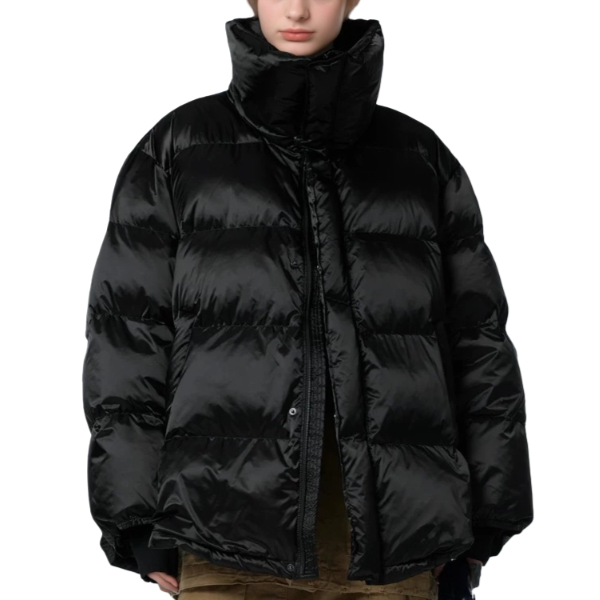
The shift toward sculptural volume becomes much clearer when you break it into collar height, neckline behavior, upper-body ease, and fit intent. Those are the details that make a Puffer Coat look sharper, frame the face better, and read more fashion-forward in both product design and styling. Current fashion coverage highlights funnel-neck jackets as a major trend, while apparel construction sources define stand collars as upright collars that typically sit around 2–3 in (5.1–7.6 cm) high.
| Design element | Verified technical basis | What it changes visually | Best application in a Puffer Coat | Useful measurement / unit | Product development value | Key watchpoint |
| Stand collar | A stand collar is an upright collar that encircles the neck without folding; one guide describes a simple upright band as typically 2–3 in (5.1–7.6 cm) tall. | It lifts the eye upward and creates a cleaner, more vertical neckline. | Best for puffers that need a crisp, directional upper silhouette without a bulky hood. | 2–3 in / 5.1–7.6 cm collar height reference. | Helps create a sharper front view and a stronger face-framing line in lookbooks and PDP images. | If collar height is too low, the style can lose the intended sculptural effect. |
| Funnel neck | A funnel neck is described as shorter and looser than a polo neck, standing away from the neck without folding. | It creates volume around the jawline and chin area, which makes the coat look more editorial. | Ideal for trend-led puffers where the neckline itself is the hero feature. | No fixed universal height published in the source; the key spec is its shorter, looser upright profile. | Strong for fashion capsules because it delivers a premium-looking silhouette without relying on prints or logos. | The opening must still feel comfortable when zipped; too-close shaping can reduce wear appeal. |
| Raised neckline / high collar line | Vogue and Who What Wear both identify funnel-neck and high-collar outerwear as a major current trend direction. | A higher neckline makes the upper body look more intentional and polished. | Works especially well on cropped and A-line puffers where the collar balances the shorter body. | Trend-led, not standardized; evaluate by final neckline height and wearer comfort. | Gives a plain puffer stronger trend identity with one pattern change. | The collar should not visually overpower petite frames unless the silhouette is meant to be dramatic. |
| Upper-body sculptural volume | Vogue describes the funnel-neck jacket trend through features such as structured stand collars, gathered waists, and voluminous sleeves. | It shifts the coat away from flat quilting and toward a more designed silhouette. | Best for puffers intended to act as the outfit centerpiece. | Use garment review points such as shoulder shape, sleeve volume, and neckline build rather than one single number. | Useful for premium assortments because volume can signal design value even in neutral colors. | Too much volume across collar, shoulder, and sleeve at once can reduce clarity of line. |
| Shoulder-to-collar relationship | Sleeve length for outerwear is commonly measured from the center back neck to the wrist, which shows how central the neck-shoulder junction is in jacket fit assessment. | A sculptural collar looks cleaner when shoulder shape supports it rather than collapsing beneath it. | Important for stand-collar puffers with dropped or shaped shoulders. | Sleeve measuring reference starts at the center back neck. | Helps technical teams align collar design with arm mobility and top-line balance. | A dramatic collar on a weak shoulder line can look unstructured instead of sculptural. |
| Fit category and body ease | Columbia defines apparel fit types including Body Contouring, Active, Regular, and Relaxed, each affecting silhouette and movement. | Ease level determines whether the collar reads sleek, sporty, or oversized. | Regular and Relaxed fits usually support sculptural puffer volume most naturally. | Fit classification is categorical, not numeric: Body Contouring / Active / Regular / Relaxed. | Gives merchandising and design teams a shared language for how dramatic the upper body should look. | A very high collar paired with body-contouring fit may reduce the intended puffer drama. |
| Face-framing effect | Stand-collar coat guidance notes that the upright line can help elongate the neck and frame the face. | This is one reason sculptural collars look more refined in photos and on-body styling. | Best for fashion-led puffers meant to look polished even with simple bottoms. | No universal physical unit; judge by how the collar sits relative to jawline and chin. | Supports premium visual positioning in ecommerce photography. | Overly stiff collars can frame the face well in still images but feel less natural in wear. |
| Closure behavior when zipped | Trend coverage emphasizes that funnel-neck jackets blend polish and insulation, showing that the closed-front look is part of the appeal. | The zipped view often creates the cleanest sculptural silhouette. | Best for cold-weather marketing images and high-neck styling stories. | Review fully zipped collar height and opening circumference during fit approval. | Useful for brands selling both fashion and winter function in one style. | If the collar only looks good open, it loses part of its practical value. |
| Material impact on collar shape | Vogue notes that the funnel-neck trend appears in leather, shearling, technical fabrics, and wool, showing that material choice changes how the collar stands and drapes. | Firmer materials tend to hold a more architectural line; softer ones look easier and more fluid. | Choose structured fabrics for sharper stand collars and softer shells for relaxed funnels. | Material-driven behavior, not one fixed numeric spec. | Lets teams create several visual outcomes from one core collar idea. | A collar shape tested in wool or leather may not behave the same way in a lightweight nylon shell. |
| Trend strength in assortment planning | Who What Wear reports funnel-neck jackets as dominating the season, citing runway visibility and a 100% spike in searches in the past month. | Confirms that sculptural necklines are not a niche detail but a live trend signal. | Strong candidate for hero SKUs, campaign images, and front-page outerwear edits. | Search-trend signal: 100% spike reported by the source. | Helps justify adding a stand-collar or funnel-neck option to a seasonal puffer range. | Trend relevance is strong, but the best-selling version is often the one that balances drama and ease. |
tip: For B2B apparel teams, collar architecture is one of the fastest ways to modernize a puffer line. A stand collar around 5–8 cm can add strong visual lift without forcing a full silhouette overhaul.

Which Puffer Jacket Styles Look the Most Fashion-Forward?
Funnel-Neck and High-Collar Puffer Jacket Styles
If you want one detail that instantly makes a Puffer Jacket look newer, start at the collar. Funnel-neck and high-collar shapes are now widely treated as the chic outerwear update. The reason is simple: the eye goes upward, the neckline looks cleaner, and the whole coat feels more polished. Fashion editors have singled out funnel necks as a leading jacket idea, not only in winter but also in transitional dressing. It is a small design move, but it changes the coat’s whole mood.
Leather and Luxe-Finish Puffer Jacket Designs
Texture is another major marker of what feels current. Leather and leather-look puffers stand out because they make a familiar shape feel elevated. Instead of relying on bright color, they use surface richness to create impact. Trend coverage around leather outerwear, from cropped versions to long dramatic coats, shows how strong this finish remains. In a Puffer Coat, that same idea reads bold yet refined. It works well for shoppers who want fashion energy, but still want warmth and structure.
Cinched or Waist-Defined Puffer Jacket Cuts
Waist definition is also important now. A lightly belted or shaped Puffer Jacket feels more tailored than a boxy one, which helps it cross into dressier territory. Fashion coverage around cinched and sculpted coats shows that people want outerwear that protects, but also flatters. A defined waist adds elegance without losing the comfort of padding. It also pairs well with boots, skirts, and sharper trousers, which makes it a strong option for readers who want one coat to handle both daily wear and polished outfits.
note: A strong collar or a shaped waist often photographs better than heavy logo use, which matters for catalog, lookbook, and marketplace conversion.
The Most Popular Puffer Jacket Lengths to Wear Now
Short Puffer Jacket Styles for Everyday City Dressing
Short lengths keep winning because they fit real life. A short Puffer Coat is easy for commuting, shopping, travel, and daily movement. It works naturally with denim, tailored pants, and sporty separates, so people get more outfit range from it. Current styling coverage often places puffers with wide-leg jeans or city-ready basics, and shorter cuts help those outfits stay balanced. They also feel younger and more flexible, which is why they keep returning in trend edits season after season.
Mid-Length Puffer Jacket Options for Balanced Styling
Mid-length puffers sit in the most flexible zone. They offer more coverage than cropped styles, but they do not overwhelm the body the way a very long coat can. That makes them appealing for shoppers who want trend and ease in the same purchase. A mid-length Puffer Jacket also layers well over workwear, knitwear, and weekend basics. In styling coverage, today’s puffers are shown in many lengths and silhouettes, and that variety helps explain why the middle length remains such a smart wardrobe bridge.
Maxi Puffer Jacket Trends for Full-Impact Outerwear
Maxi lengths are the statement end of the trend spectrum. A calf-length or floor-skimming Puffer Coat creates a sleek vertical line, and that alone makes it look dramatic. Editors have called out floor-sweeping outerwear as especially chic, because it adds presence without busy details or loud prints. This length also suits colder climates and minimalist wardrobes very well. When a long puffer is done in a clean neutral shade, it can become the strongest piece in the entire closet.
tip: Mid-length and maxi styles often deliver stronger average order value in cold-weather markets because they combine style language and practical coverage.
What Colors and Finishes Make a Puffer Jacket Look On-Trend?
Neutral Puffer Jacket Colors That Always Look Expensive
Color matters, but it is not about going loud. The current mood leans toward polished neutrals: black, cream, taupe, olive, beige, and similar grounded shades. These tones look calm and expensive, and they fit easily into modern wardrobes. Fashion media keeps highlighting beige and related neutrals as especially relevant, especially when worn in tonal outfits. For a Puffer Jacket, neutrals help the shape and texture stand out more clearly. That is why they often feel more premium than a trend color used without intention.
Glossy, Matte, and Technical Puffer Jacket Finishes
Finish changes the entire personality of a Puffer Coat. Glossy versions feel sporty and street-driven. Matte versions feel cleaner and more refined. Technical finishes can lean performance-minded, which works well for the current sport-luxe mood. Editors have pointed out glossy puffers, elevated sport silhouettes, and modern performance styling as active parts of current outerwear trends. So when choosing a coat, the finish is not a minor detail. It tells people whether the piece is sleek, athletic, or statement-led.
Bold Texture Puffer Jacket Styles for Extra Personality
Texture is often doing more trend work than color right now. Quilted contrast, leather-look finishes, patent shine, and tactile surfaces can all make a Puffer Jacket feel fresh. This aligns with broader outerwear coverage, where editors keep focusing on surface interest, statement materials, and richer fabric stories. The benefit is simple: texture adds personality without making the coat hard to style. If someone wants a fashion-forward puffer but still wants repeat wear, texture is often the smartest path.
note: Surface finish is a strong merchandising tool. It can refresh a familiar silhouette faster than a full pattern change.
How to Style a Puffer Jacket So It Looks Current
Pairing a Puffer Jacket With Wide-Leg Pants and Clean Basics
One of the easiest modern formulas is a Puffer Coat with wide-leg pants and simple layers. This works because the relaxed leg balances the coat’s volume, while the base layers keep the outfit clean. Who What Wear has highlighted wide-leg jeans and boots as a chic puffer pairing, and fashion editors continue to style puffers with streamlined knits and tailored elements. The formula feels current because it is relaxed but not messy. It gives the coat room to look intentional.
Wearing a Puffer Jacket With Skirts, Dresses, or Taller Boots
Puffers no longer sit only in sporty outfits. Current styling guides show them paired with satin skirts, winter white denim, dresses, and taller boots. That contrast is what makes them feel modern. A practical Puffer Jacket gains a sharper fashion edge when it meets a more refined or feminine piece. It also makes the coat more versatile, which matters to shoppers deciding what deserves closet space. The trend now is not to hide the puffer’s utility, but to style it against something softer or sleeker.
Letting the Puffer Jacket Become the Main Event
A big styling mindset shift is this: the coat can be the outfit. Editors increasingly frame outerwear as the first thing people really see, especially in cold months. That is why statement collars, leather finishes, glossy surfaces, and dramatic lengths matter so much. When the Puffer Coat becomes the focal point, the rest of the outfit can stay simple. This approach also helps people shop better, because they start looking for one memorable feature instead of a dozen competing details.
tip: For product storytelling, show one hero styling image where the puffer leads the full outfit. It often sells the silhouette faster than technical copy alone.
The Best Puffer Jacket Trend for Different Personal Styles
Minimalist Puffer Jacket Picks for Quiet, Clean Wardrobes
Minimalist dressers should look for a Puffer Jacket in black, cream, taupe, olive, or soft brown, with simple quilting and clean hardware. The goal is not to make it invisible. The goal is to make it sharp. Current fashion coverage keeps returning to polished neutrals and sleek lines because they feel premium and wearable. Less detailing often looks more expensive, especially when the silhouette is strong. For a quiet wardrobe, a refined puffer can still feel very trend-aware without shouting.
Sporty Puffer Jacket Styles With Fashion Credibility
Sporty styles are also trending, but they look more elevated than before. Editors are talking about technical jackets, athletic outerwear, and sport-influenced shapes that still feel polished enough for city wear. That means a sporty Puffer Coat can now work beyond errands or travel days. Look for clean zip fronts, stand collars, matte or technical finishes, and balanced volume. These details help the coat feel intentional rather than casual by default. It is a strong lane for shoppers who want fashion and function together.
Statement Puffer Jacket Choices for Bold Dressers
For bold dressers, the strongest routes are oversized volume, glossy shine, leather finish, dramatic length, or a sculptural collar. These details send a clear trend signal right away. Runway and editor coverage alike keep rewarding statement shapes and rich surfaces, especially when the rest of the outfit stays controlled. A statement Puffer Jacket works best when one feature leads and the others support it. Choose the drama point first, then let the coat do the work. That keeps the look modern instead of overdone.

How to Choose the Right Trending Puffer Jacket for Your Wardrobe
Pick a Puffer Jacket Based on Proportion First
A proportion-first choice starts before trend talk. Measure the body points brands actually use, then compare where the hem will land on you. That gives a more reliable read on whether a cropped, mid-length, or maxi Puffer Coat will look balanced and feel easy to wear. ASOS and The North Face both use bust/chest, natural waist, and hip as core measurement points, while ASOS specifies the low hip at 20 cm below the waistline. Patagonia also publishes women’s size ranges from 31–52 in chest and 30–38 in inseam, which helps show how proportion decisions should connect to real body dimensions, not guesswork.
| Proportion factor | How to measure | Technical reference / unit | How it guides Puffer Coat choice | Best style direction | Application note | Watchpoint |
| Bust / chest circumference | Measure around the fullest part of the bust or chest, keeping the tape level. | Common brand input in cm / in; Patagonia women’s published size span is 31–52 in chest. | This is the primary control point for upper-body fit and zip comfort. | Cropped works well when you want the coat to end before it visually widens the torso. Mid-length is safer for fuller bust-to-hip balance. | Use this first when comparing a fitted funnel-neck or stand-collar style. | If the chest fit is tight, the coat can pull open at the zipper and distort the silhouette. |
| Natural waist circumference | Find the natural waist by bending to the side; measure at that indent. | Standard measurement in cm / in across The North Face and ASOS guides. | Helps decide whether a shaped or cinched coat will sit cleanly at the waist. | Cropped and waist-defined styles benefit most from a clearly placed waistline. | Most useful when the goal is a sharper, more tailored look. | A misplaced cinch can shorten the body visually instead of refining it. |
| Low hip circumference | Measure the hip at the fullest area; ASOS places low hip 20 cm below the waistline. | 20 cm / 7.9 in below waist is the ASOS low-hip reference. | Critical for coats that end near the hip, because hem placement and hip width interact strongly. | Mid-length often looks balanced when the hem clears the widest hip point cleanly. | Use this when choosing between short and mid-length styles. | If the hem hits exactly at the widest hip point, the coat can look boxier. |
| Inseam / leg line context | Measure inseam from crotch to hem on well-fitting pants, or use brand chart reference. | Patagonia women’s inseam range shown at 30–38 in across sizes. | Not a jacket measurement, but it helps judge whether a short coat will visually lengthen the legs. | Cropped usually supports a longer visible leg line, especially over high-rise bottoms. | Useful for shoppers who wear wide-leg trousers or long straight pants often. | A short coat paired with very low-rise bottoms can break the line instead of extending it. |
| Garment back length | Check coat length from the top seam at the back neck down to the hem. | Coat length is commonly measured from the top seam at the neck on the back of the coat. | This is the most useful garment spec for comparing cropped, mid-length, and long options. | Cropped = short back length; mid-length = moderate back length; maxi = long back length. | Always compare back length to your own torso and leg proportions, not just model photos. | Brand photos can mislead if the model’s height differs a lot from yours. |
| Torso-to-leg visual balance | Compare where the hem lands relative to waist, high hip, hip, knee, or calf. | Position-based assessment; use body landmarks plus garment back length. | Proportion is less about trend labels and more about where the coat stops on your frame. | Cropped sharpens the upper body. Mid-length smooths transitions. Maxi creates one long vertical line. | Best for choosing between dramatic and practical shapes. | Hem placement matters more than trend hype when the goal is a polished outfit. |
| Layering allowance | Measure the body accurately, ideally not over multiple bulky layers when using size charts. | CoatsCo advises measuring for coats without multiple layers; Patagonia also emphasizes accurate fit selection. | Helps avoid oversizing just to “be safe,” which can ruin the intended silhouette. | Mid-length often gives the easiest layering flexibility without excessive bulk. | Good for buyers planning to wear knits or office layers under the coat. | Too much ease can make a cropped coat look puffy rather than sharp. |
| Rise of the bottoms you wear most | Check whether your usual trousers or jeans are high-rise, mid-rise, or low-rise. | Styling guidance is trend-based; cropped jackets pair especially well with high-waisted bottoms in current fashion advice. | The jacket does not work alone; proportion depends on the full outfit line. | Cropped pairs best with high-rise bottoms; mid-length works across more rises; maxi suits slimmer or cleaner lower-half lines. | This is the fastest real-world filter for daily wear. | Ignoring bottom rise often causes a trendy coat to look awkward in practice. |
| Silhouette goal | Decide whether you want leg length, upper-body structure, or full-length drama. | Trend sources currently favor cropped balance, belted longline styles, and strong shape play. | A clear visual goal makes coat choice easier than starting from color or trend buzzwords. | Cropped = leg emphasis; mid-length = balance; maxi = drama and coverage. | Best used after you confirm body measurements. | When the goal is unclear, shoppers often choose a coat that is fashionable but not wearable. |
| Best use case by proportion | Match the coat shape to your wardrobe pattern. | Practical styling guidance supported by editor trend coverage. | Proportion decisions become easier when linked to actual use. | Cropped for high-rise denim and city wear; mid-length for mixed wardrobes; maxi for cold climates and minimalist dressing. | This turns fit logic into a buying decision. | The “best” trend is usually the one that repeats easily across outfits. |
Think About Climate, Layering, and Daily Use
The best Puffer Jacket trend is also the one you will actually wear. A short city style may be perfect for commutes and indoor-outdoor days. A long cocoon coat may be better for cold climates. A sportier finish may help in travel or weekend use. Fashion editors now present puffers across many lengths and use cases, which reflects how shoppers think in real life. Style matters, but so does routine. The best coat meets both.
Invest in a Puffer Jacket Trend You Can Rewear Often
Trend shopping works best when the coat still fits your life after the first week. Instead of chasing every new detail, pick one strong trend element: maybe a funnel neck, a leather finish, a cropped length, or a long cocoon shape. That one choice is often enough to make the Puffer Coat feel current. Editors consistently show that today’s best outerwear is both stylish and useful. Rewear value matters because the coat is likely to be the most visible part of the outfit for months.
tip: A trend-led collar or finish usually has better long-tail value than a novelty print, especially for evergreen product pages.
Conclusion
Today’s Puffer Coat trends favor cropped cuts, long cocoon shapes, funnel necks, stand collars, cinched waists, and rich textures. Neutrals keep these styles polished and easy to wear. The best choice fits your shape, climate, and daily outfits. Nanjing JXD-SPY Co., Ltd. adds value through well-made puffer products, trend-aware design, and dependable service that helps buyers balance style, comfort, and practical use.
FAQ
Q: What Puffer Coat styles are trending now?
A: Cropped, cocoon, funnel-neck, stand-collar, and waist-shaped styles lead now.
Q: Why is a neutral Puffer Coat so popular?
A: A neutral Puffer Coat looks polished, versatile, and easy to rewear.
Q: How do I style a Puffer Coat well?
A: Pair a Puffer Coat with wide-leg pants, boots, or clean basics.
Q: Which Puffer Jacket length should I choose?
A: Choose short for city wear, mid-length for balance, and maxi for drama.