Introduction
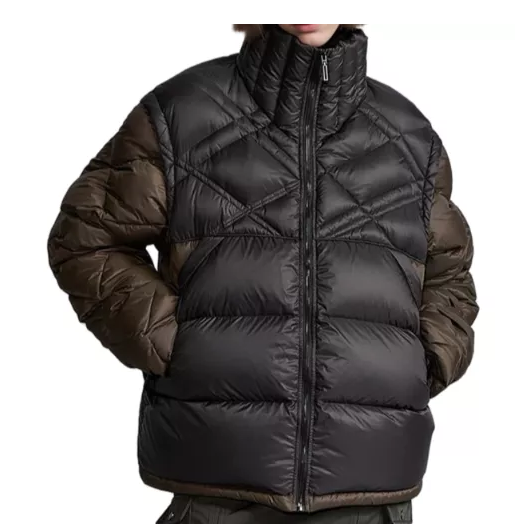
Many people assume warmth comes from heavy bulk, but Puffer Jackets work differently. Their comfort and performance come from a smart layered system, not from thickness alone. In most designs, the outer shell is made of nylon or polyester, the fill uses down or synthetic insulation, and the lining helps hold heat while improving comfort. Many modern styles also include water-repellent finishes, reflective interiors, and recycled materials for better everyday wear. In this article, you will learn what materials are used in Puffer Jackets and how each one affects warmth, weight, durability, and real-world performance.
The Core Material System That Makes Puffer Jackets Work
Outer Shell Fabrics in Puffer Jackets
A puffer jacket’s shell does more than shape the look. It protects the insulation, supports weather performance, and affects weight, feel, durability, and daily wear comfort. Nylon and polyester dominate here because they balance function, finish compatibility, and commercial versatility.
| Shell Fabric Type | Core Material Traits | Why Brands Use It in Puffer Jackets | Performance Value | Best Use Scenarios | Common Fabric Forms / Treatments | What Buyers Should Check |
| Nylon Shell Fabric | Lightweight, strong, abrasion-resistant, flexible | It offers a high strength-to-weight ratio and works well in technical outerwear | Helps reduce total jacket weight while keeping the shell durable and protective | Hiking puffers, travel puffers, packable winter jackets, active outdoor wear | Ripstop nylon, plain weave nylon, high-density woven nylon, DWR-coated nylon | Check denier, fabric density, and whether it includes a water-repellent finish |
| Polyester Shell Fabric | Durable, shape-stable, colorfast, easy-care | It supports consistent appearance and is widely used in commercial and everyday insulated jackets | Maintains structure well and performs reliably in regular urban or casual use | Daily commuter jackets, lifestyle puffers, value-focused winter products | Plain weave polyester, brushed polyester, recycled polyester shell fabrics | Check recycled content, hand feel, and whether the fabric feels stiff or soft |
| Ripstop Shell Construction | Reinforced grid pattern, tear-resistant, lightweight | It improves durability without adding much bulk, which is useful in light technical styles | Helps prevent small tears from spreading, especially in active use | Travel jackets, outdoor puffers, lightweight performance jackets | Nylon ripstop, polyester ripstop, mini-ripstop with DWR | Check grid visibility, fabric softness, and whether ripstop affects the visual style |
| Plain Weave Shell Construction | Smooth surface, clean appearance, balanced structure | It creates a neat, versatile face fabric that fits both casual and premium product lines | Supports a refined look while still offering practical shell protection | City puffers, fashion-led puffers, general cold-weather jackets | Woven nylon plain weave, woven polyester plain weave, matte-finish shell fabrics | Check surface texture, noise level during wear, and coating compatibility |
| High-Density Woven Shells | Tightly woven, wind-resistant, compact structure | Brands use them when they want better air blocking and cleaner fill containment support | Improves wind resistance and helps the jacket feel more protective in cold conditions | Cold urban climates, exposed outdoor commuting, elevated winter outerwear | Tightly woven nylon, tightly woven polyester, down-proof shell fabrics | Check whether the fabric feels breathable enough for the intended end use |
| Recycled Shell Fabrics | Derived from recycled nylon or recycled polyester inputs | They support sustainability claims while keeping familiar shell performance | Adds environmental value and supports responsible sourcing programs | Retail programs focused on recycled content, sustainability-led collections | Recycled ripstop nylon, recycled polyester woven shell, certified recycled fabrics | Check the percentage of recycled content and whether certification is specified |
| DWR-Compatible Shell Fabrics | Built to accept durable water repellent finishes well | They help brands add light moisture protection without moving into full rainwear territory | Water beads on the surface more easily, helping the jacket stay drier in light snow or drizzle | Daily winter wear, travel, mixed-weather commuting | Nylon or polyester shells with DWR, PFAS-free DWR options, technical woven fabrics | Check whether the finish is named clearly and whether care instructions preserve performance |
| Soft-Touch Urban Shell Fabrics | Smoother hand feel, lower noise, more lifestyle-oriented appearance | They help puffer jackets feel less technical and more premium or fashion-friendly | Improves comfort perception and broadens appeal for non-sport use | Urban outerwear, premium casual wear, fashion puffer collections | Matte polyester, peached polyester, softer woven nylon blends | Check whether softness comes at the cost of abrasion resistance or weather performance |
| Structured Heavy-Face Shells | Firmer hand feel, more visual body, more substantial appearance | Brands use them when they want a stronger silhouette and a more rugged look | Gives the jacket more shape and a heavier-duty surface impression | Work-inspired puffers, cold-weather lifestyle jackets, rugged city outerwear | Canvas-look polyester, heavier woven nylon, textured shell surfaces | Check garment weight, stiffness, and whether the shell still supports easy movement |
tip:When comparing shell fabrics, do not look at fiber name alone. A nylon shell can feel very different depending on weave, density, finish, and fabric weight, so those details matter just as much as “nylon” or “polyester.”
Insulation Materials Inside Puffer Jackets
Inside the shell, the main job belongs to the fill. Today, most Puffer Jackets use one of two insulation families: natural down or synthetic polyester insulation. Down is made from duck or goose plumage and is known for lofty warmth and strong compressibility. Synthetic insulation is usually made from polyester fibers and is designed to trap warm air while drying fast and keeping useful insulation in damp conditions. Some newer jackets also blend both approaches in one garment.
Lining Materials That Improve Comfort and Heat Retention
The lining often gets less attention, but it shapes how Puffer Jackets feel on the body. Lightweight linings such as nylon taffeta, polyester taffeta, and other tightly woven fabrics help the jacket slide easily over layers, reduce friction, and support heat retention by keeping insulation evenly placed. In down-filled styles, tightly woven down-proof linings also help reduce feather leakage. This inner layer may look simple, but it plays a big role in comfort, durability, and the clean finish buyers expect.
tip: When reviewing supplier specs, ask for shell, fill, and lining details separately, because “insulated jacket” alone does not tell a buyer enough about performance or positioning.

What Outer Shell Materials Are Used in Puffer Jackets?
Why Nylon Is So Common in Puffer Jackets
Nylon appears again and again in Puffer Jackets because it offers a strong mix of low weight, abrasion resistance, and weather-ready performance. It is often used in ripstop form, which helps the fabric stay light while improving tear resistance. Many insulated jackets from outdoor brands use nylon shells for packable designs, since the fabric works well in travel, hiking, and cold daily use. It also pairs easily with DWR treatments and wind-blocking constructions, which adds practical value without making the jacket feel heavy.
How Polyester Is Used in Puffer Jackets
Polyester is another major shell material in Puffer Jackets, especially in styles built for broad consumer use and recycled content claims. It holds color well, supports shape retention, and appears often in jackets that balance easy care and everyday durability. It is also widely used in synthetic insulated products and reflective-lining designs. For brands building sustainable product stories, recycled polyester is especially important because it can be used in shells, linings, and insulation, helping create a more unified material message across the whole jacket.
Ripstop, Canvas, and Plain Weave Variations in Puffer Jackets
Not all shells feel the same, even when the fiber is similar. Ripstop nylon or polyester is common in lightweight Puffer Jackets because it supports a technical look and helps improve durability without much added weight. Plain weaves often give jackets a smoother, cleaner everyday feel. Heavier weaves, including faille or canvas-like surfaces, are often used in more urban or heritage-inspired styles where buyers want structure and a richer hand feel. The choice changes both performance and the way the product is perceived.
note: For B2B development, shell fabric is not just a material choice; it also shapes the jacket’s visual tier, target market, and selling season.
What Insulation Materials Are Used in Puffer Jackets?
Down Fill in Puffer Jackets
Down fill is one of the best-known insulation materials used in Puffer Jackets. It comes from duck or goose down clusters and is valued for strong warmth relative to weight. Because it lofts well, it traps air efficiently, which helps the jacket feel warm without becoming bulky. Buyers also like down for its compressibility, since it packs small for travel and storage. Many premium jackets list fill power to signal quality and loft, and responsible sourcing standards now matter more in product selection.
Synthetic Fill in Puffer Jackets
Synthetic fill in Puffer Jackets is usually made from polyester fibers engineered to trap warm air in a way that resembles down. This insulation is popular because it dries quickly, performs well in damp weather, and fits a wide range of price points and use cases. It is also common in commuter jackets, active outerwear, and travel-friendly styles where buyers want reliable warmth across changing conditions. Many current products now use recycled polyester insulation, which strengthens both the performance story and the sustainability story.
Hybrid Insulation in Modern Puffer Jackets
Hybrid insulation gives modern Puffer Jackets more design flexibility. Instead of using one fill throughout the whole body, brands may place down in core zones for strong loft and use synthetic insulation in moisture-prone or high-movement areas. This zoned approach helps balance warmth, comfort, and weather-readiness in one piece. It also gives product teams a clearer way to target mixed use, such as urban commuting, travel, and light outdoor activity, where buyers want a jacket that feels versatile rather than highly specialized.
tip: If your audience shops by activity, explain insulation by use case first and fiber type second. That makes material differences easier to understand and easier to sell.
What Lining Materials Are Used in Puffer Jackets?
Nylon Taffeta Linings in Puffer Jackets
Nylon taffeta is a frequent lining choice in Puffer Jackets because it is smooth, lightweight, and easy to layer over sweaters, fleeces, or uniforms. It helps the jacket feel clean inside and supports good insulation containment. In technical and outdoor products, nylon taffeta also fits well with light overall garment weights, which is useful for packable styles. Buyers may not always notice it at first glance, but they usually feel the difference when a jacket slides on easily and sits comfortably over other layers.
Polyester Linings in Puffer Jackets
Polyester linings are also common in Puffer Jackets, especially in products built around recycled material stories or cost-efficient everyday performance. They offer a soft, stable inner layer and appear in a wide range of insulated jackets across outdoor and casual categories. Polyester works well with synthetic insulation systems because it supports a consistent material profile across multiple layers of the garment. It also gives brands more room to highlight recycled content, since both lining and fill can often be made from recycled polyester inputs.
Down-Proof Linings in Puffer Jackets
When Puffer Jackets use down, tightly woven down-proof lining fabrics become especially important. These linings help keep fine down clusters and feathers inside the jacket while maintaining a smooth inner feel. They also support wind resistance by reducing air movement through the garment. In product pages, brands may not always use the exact phrase down-proof in a headline, but tightly woven nylon or polyester linings are commonly chosen for this purpose. This small detail helps the jacket look cleaner and perform more consistently over time.
note: For sourcing teams, lining specs deserve their own review, because leakage control, hand feel, and layering comfort all depend on them.
What Coatings and Finishes Are Added to Puffer Jackets?
DWR Finishes on Puffer Jackets
Many Puffer Jackets add a DWR, or durable water repellent, finish to the shell. This treatment helps light rain or snow bead up and roll off the surface instead of soaking in quickly. It is one reason a jacket can feel more weather-ready without becoming a full rain shell. Outdoor brands also note that dirt and wear can reduce how well DWR performs over time, which is why product care matters. Today, many companies are also shifting toward finishes made without intentionally added PFAS.
PU Coatings and Weather-Blocking Layers
Some Puffer Jackets go beyond a simple face-fabric finish and add PU coatings, membranes, or coated panels in higher-exposure zones. These features often appear in hoods, shoulders, yokes, or outer layers designed for snow and wind. They help the shell resist moisture and improve weather blocking while keeping the insulated look consumers want. This is especially useful in crossover products that sit between casual puffers and technical outerwear, because the jacket can offer a stronger protective feel without losing its core comfort appeal.
Heat-Reflective and Performance Interior Technologies
Some Puffer Jackets use reflective interior materials to improve warmth efficiency. Columbia, for example, lists thermal-reflective linings in insulated products that combine standard shell and insulation materials with a reflective polyester lining layer. These systems are designed to help return body heat while keeping the inside of the jacket light and flexible. For buyers, this means material choice is not limited to shell and fill alone. Interior technologies can also become part of the warmth story, the price story, and the product’s point of difference.
tip: In product copy, finishes and interior technologies often help separate a basic puffer from a premium one, even when the main shell and fill look similar on paper.
How Recycled and Responsible Materials Are Changing Puffer Jackets
Recycled Nylon and Recycled Polyester in Puffer Jackets
Recycled materials now play a major role in modern Puffer Jackets. Many brands use recycled nylon shells, recycled polyester linings, or recycled polyester insulation to reduce virgin material use while keeping the familiar look and performance buyers expect. Patagonia, for example, highlights postconsumer recycled nylon ripstop in several insulated jackets, while other products list fully recycled polyester insulation or lining components. For many customers, recycled content is no longer a bonus detail. It is now part of the main purchase decision.
Responsibly Sourced and Recycled Down
Down sourcing now carries more meaning than simple warmth claims. Buyers often want to know how the down was sourced, how it was tracked, and whether recycled inputs were used. That is why responsible certification and recycled down language have become important parts of modern puffer jacket evaluation. The Responsible Down Standard is a voluntary standard designed to improve animal welfare, prohibit live-plucking and force-feeding, and provide chain-of-custody tracking for certified down. Recycled or reclaimed down is also used in some products to extend material life while keeping loft and compressibility.
| Down Sourcing Category | What It Means | Key Supply Chain Focus | Main Performance / Commercial Value | What It Signals to Buyers | Common Label or Claim Language | What Procurement Teams Should Verify |
| Responsible Down Standard (RDS) Down | Down certified under a third-party standard focused on animal welfare and traceability | Farm practices, slaughterhouse compliance, certified chain of custody through the supply chain | Keeps the core down benefits of loft, warmth, and compressibility while adding sourcing credibility | Stronger trust in origin, better support for responsible sourcing claims, clearer documentation | “RDS down,” “Responsible Down Standard certified,” “certified by Control Union” | Confirm certificate scope, certifying body, and whether the claim applies to the fill in the final garment |
| Animal Welfare Protection in RDS Programs | A certified framework intended to improve treatment of ducks and geese used for down and feathers | Prohibition of live-plucking and force-feeding, welfare criteria aligned to recognized animal welfare principles | Adds sourcing assurance without changing the thermal value of the down itself | Helps buyers connect the product to verified welfare standards rather than brand-only statements | “No live-plucking,” “no force-feeding,” “animal welfare criteria met” | Check whether these statements are backed by RDS certification, not just marketing wording |
| Chain-of-Custody Certified Down | Down tracked through certified steps from source to final product claim | Documentation, segregation or controlled handling of certified material, transaction-level integrity | Reduces claim risk and makes B2B sourcing programs easier to audit | Greater clarity on origin, transfer, and material handling | “Tracked through the supply chain,” “chain of custody certified,” “CCS-tracked material” | Ask for chain-of-custody documentation and confirm the certification covers the final seller stage where relevant |
| Recycled Down | Down recovered from existing products or post-use material streams and processed for reuse | Collection, sorting, cleaning, reprocessing, and quality control of reclaimed down | Extends material life, supports circularity messaging, and can preserve the softness and loft story associated with down | Stronger sustainability positioning, especially in collections built around resource reuse | “Recycled down,” “reclaimed down,” “post-use reclaimed down” | Verify source type, processing method, hygiene controls, fill-power consistency, and blend ratio if mixed with virgin down |
| Reclaimed Duck Down | Reused down material originally sourced from ducks | Recovery and reprocessing from legacy or postconsumer inputs | Supports warmth and compressibility goals while reducing reliance on virgin material | A more specific recycled-material story when duck down is named directly | “Reclaimed duck down,” “recycled duck down” | Check whether duck down is used alone or blended, and request test data on loft and cleanliness after processing |
| Reclaimed Goose Down | Reused down material originally sourced from geese | Recovery, re-cleaning, sorting, and reuse in new insulated products | Can support premium positioning if high-loft reclaimed material is used successfully | Combines a strong warmth story with a circular materials message | “Reclaimed goose down,” “recycled goose down” | Ask for fill-power range, blend consistency, and supporting lab data before using premium marketing language |
| Virgin Down with Responsible Certification | Newly sourced down paired with formal certification rather than recycled content | Responsible sourcing controls plus full documentation of certified material | Useful for brands prioritizing loft and premium consistency while maintaining sourcing assurance | Premium warmth story plus better traceability | “800-fill-power RDS down,” “certified responsible down” | Confirm fill power, species type if listed, and certificate linkage to the exact style or production lot |
| Recycled-Content Circularity Positioning | A product story built around resource reuse and longer material life | Material recovery, processing transparency, and communication of reuse benefits | Helps brands differentiate environmentally focused puffer jackets in crowded categories | Signals lower dependence on virgin raw material inputs and stronger circular design intent | “Circular materials,” “made with reclaimed down,” “resource-saving insulated fill” | Ensure claims are specific, measurable, and supported by sourcing records rather than broad sustainability language |
| Mixed or Blended Down Programs | Jackets that may combine recycled down and virgin down, or down with other insulation inputs | Blend control, consistency management, and labeling accuracy | Helps brands balance performance targets, cost, and sourcing strategy | Flexible product engineering and easier tiered assortment building | “Contains recycled down blend,” “responsibly sourced down blend” | Check exact composition percentages and make sure marketing language matches the actual blend structure |
| Brand-Level Responsible Down Messaging | Public-facing communication that explains where the brand stands on down sourcing | Consumer education, transparency language, supplier policy alignment | Builds buyer confidence and supports EEAT-style trust signals in product content | Shows the brand is addressing sourcing, not only warmth | “Responsibly sourced,” “traceable down,” “certified down supply chain” | Separate general brand commitments from product-level certified claims before finalizing copy or packaging |
tip:When reviewing down claims, start with three checks in order: certification status, chain-of-custody proof, and fill composition. A strong warmth claim is useful, but for B2B buying, traceability and claim accuracy usually matter just as much as loft.
Material Certifications Buyers Notice in Puffer Jackets
Material language matters more than ever when buyers compare Puffer Jackets. Certifications such as RDS for down, GRS for recycled materials, and bluesign-approved materials help signal that the product follows recognized sourcing or processing standards. GRS verifies and tracks recycled raw materials through the supply chain and includes additional processing requirements, while bluesign focuses on safer chemistry, resource use, and responsible textile production. These labels help product pages feel more trustworthy and make material claims easier to verify.

How to Read Material Labels When Comparing Puffer Jackets
How to Identify Shell Material in Puffer Jackets
When comparing Puffer Jackets, start by checking the shell fabric line first. Product pages often list it clearly as nylon, polyester, recycled nylon, or recycled polyester. Some also mention ripstop, faille, or denier counts, which give more clues about weight and surface character. If a jacket claims wind resistance or light moisture protection, look for DWR, coated fabric, or membrane wording nearby. Reading the shell line first helps buyers understand whether the jacket leans technical, casual, packable, or more rugged.
How to Check Fill Material in Puffer Jackets
Next, look at the fill label. If the jacket uses down, the product page may mention goose down, duck down, recycled down, or fill power. If it uses synthetic insulation, it will often list polyester, recycled polyester, or a branded insulation family. Some jackets also mention hybrid placement, especially when they are designed for mixed conditions. Reading this section carefully tells you what kind of warmth story the jacket is offering, whether it focuses on loft, damp-weather reliability, or balanced all-around use.
How to Match Puffer Jacket Materials to Real Use
The best material choice depends on where and how the jacket will be used. For dry cold and easy packability, many buyers prefer down-focused Puffer Jackets. For mixed weather, commuting, and travel, synthetic or hybrid insulation often makes sense. Nylon ripstop shells suit lightweight outdoor and packable styles, while polyester-heavy builds often fit everyday wear and recycled content programs well. A good buying decision looks at shell, fill, lining, and finish together, because real performance comes from the full system, not one material alone.
Conclusion
Puffer Jackets work best as a full material system. A nylon or polyester shell, down or synthetic fill, and a light lining shape warmth, comfort, and daily performance. Added features like ripstop, DWR, reflective linings, and recycled fabrics raise product value. Nanjing JXD-SPY Co., Ltd. delivers practical puffer jacket solutions with reliable materials, functional design, and flexible service that help buyers match product performance to market needs.
FAQ
Q: What materials are used in Puffer Jackets?
A: Puffer Jackets usually use nylon or polyester shells, down or synthetic fill, and lightweight linings.
Q: Why do Puffer Jackets feel warm?
A: Puffer Jackets trap heat through lofted insulation and a layered shell-lining system.
Q: Are synthetic Puffer Jackets good for wet weather?
A: Yes. Synthetic Puffer Jackets dry faster and work well in damp conditions.
Q: How should buyers compare Puffer Jackets?
A: Check shell, fill, lining, and finishes together, not loft alone.