Introduction
Many shoppers think a padded jacket and a Quilted Jacket are the same, because both look warm and practical at first glance. In fact, they differ in construction, surface design, warmth feel, and everyday use. In this article, you will learn how to spot those differences clearly and choose the style that best fits your weather, wardrobe, and daily routine.
Padded Jacket vs Quilted Jacket: The Core Difference Explained
What a padded jacket means in practical outerwear terms
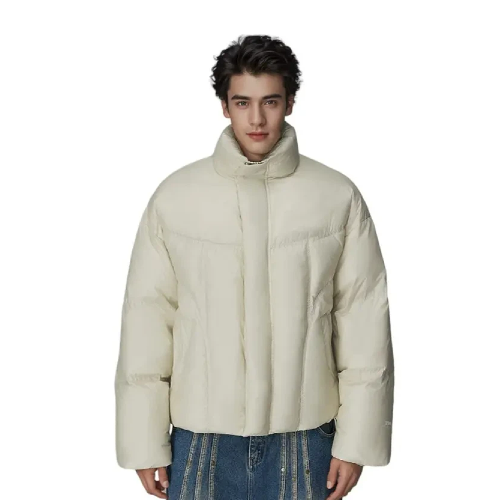
In simple buying language, a padded jacket is a warm jacket filled with soft material. That material may be synthetic insulation or down, depending on the design. Cambridge defines a padded jacket as a warm coat filled with thick soft material sewn into sections. In real shopping use, the word “padded” points first to warmth and fill, not to one exact visual style. So a padded jacket can look sleek, sporty, boxy, or puffier, depending on how much fill sits inside it and how the garment is shaped.
What makes a quilted jacket visually and structurally distinct
A quilted jacket stands out because you can usually see the stitched pattern on the outside. Cambridge describes a quilted jacket as a coat filled with soft material, usually sewn into diamond-shaped sections. Britannica explains quilting as a method of sewing layers together, usually around an insulating interior layer, using repeated lines of stitching. That means a quilted jacket is not only about warmth. It is also about structure, texture, and appearance. The stitching creates a clear surface pattern, and that pattern becomes part of the jacket’s identity.
Why a quilted jacket is sometimes padded, but not every padded jacket is quilted
This is the easiest way to separate the two ideas. A quilted jacket often has padding inside it, because quilting usually joins outer fabric, insulation, and backing into one stitched layer. But a padded jacket is a broader idea. It tells you there is fill inside, yet it does not always tell you what the outer surface will look like. Some padded jackets are visibly quilted. Some use wider baffles or smoother panels. So when people compare the two, they are often comparing a style category to a construction feature.
| Feature | Quilted Jacket | Padded Jacket |
| Main identifier | Visible stitched pattern | Soft insulating fill |
| Typical look | Structured, textured, polished | Warm, fuller, more casual |
| Common stitching | Diamond, square, or patterned lines | Sewn sections may vary |
| Best-known strength | Lightweight style and even distribution | Warmth and body |
| Common use | Transitional wear, layering, smart casual | Colder days, casual use, outdoor wear |
note: For product pages, define the term by what buyers can see first, then explain the fill inside.
")
How to Tell a Quilted Jacket from a Padded Jacket at a Glance
Look for stitched patterns and quilt lines on a quilted jacket
The fastest test is visual. If you see repeating diamond lines, box quilting, or another stitched pattern across the shell, you are likely looking at a quilted jacket. Cambridge highlights sewn sections as part of the meaning, and Barbour and Orvis both present quilted jackets through diamond quilting and similar stitched designs. These visible lines do more than decorate the garment. They signal the layered build and help hold the insulation in place. On a store rack, this is often the first clue buyers notice.
Check whether the focus is visible structure or hidden insulation
A second test is to ask what the jacket seems to emphasize. A quilted jacket usually puts its structure on display. The stitching is part of the style story. A padded jacket usually emphasizes softness, thickness, and warmth. The fill matters most. The sections may still be sewn, but the design language often feels less tailored and more insulation-led. This is why many padded jackets look more athletic or winter-ready, while many quilted jacket styles look cleaner and easier to dress up.
Notice the overall silhouette, from sleek quilted jacket styles to puffier padded shapes
Shape tells you a lot. Many quilted jacket styles sit closer to the body and create a neater line. Barbour and Orvis both describe quilted jackets as lightweight layers for cool days and three-season use. Padded jackets, especially puffer-like versions, often look rounder or loftier because more insulation creates more volume. Merriam-Webster defines a puffer jacket as quilted material filled with down or synthetic stuffing and marked by a puffy appearance. So silhouette becomes a practical clue: cleaner lines often point toward quilted styling, while extra loft often points toward a more padding-led jacket.
tip: In wholesale catalogs, use close-up stitch photos and side-view images to reduce buyer confusion fast.
Quilted Jacket Design vs Padded Jacket Construction
How quilting keeps insulation evenly distributed
Quilting has an important job beyond appearance. Britannica notes that the stitching helps keep the stuffing evenly distributed. That matters in daily wear because insulation that stays in place usually feels more balanced across the body. Instead of drifting into one area, it remains spread through the jacket’s sections. This is one reason the quilted jacket works so well for light warmth and consistent comfort. The stitched surface controls the fill while also giving the outerwear a recognizable pattern and tidy finish.
How padding adds body, loft, and warmth to outerwear
Padding is what gives many jackets their warm, cushioned feel. REI explains that thicker or puffier insulating layers are generally warmer, though insulation type still matters. Down offers a high warmth-to-weight ratio in dry cold conditions, while synthetic insulation dries faster and keeps insulating better in wet conditions. In buying terms, padding adds body and loft. It creates the sense of coziness many people want in cold weather. That is why padded jackets often feel more protective and more winter-focused than a lighter quilted jacket.
How fabric, stitching, and fill work together in each jacket type
No jacket depends on one element alone. The shell fabric affects weather feel and surface texture. The fill determines much of the warmth. The stitching controls shape, stability, and style. In a quilted jacket, those parts work in a very visible way because the stitch pattern shapes both performance and appearance. In a padded jacket, the relationship may feel more fill-driven, especially when loft is the main feature. Good outerwear buying comes from reading all three together, not just the product name on the tag.
note: Buyers often compare fill first, but stitch layout and shell fabric strongly influence the final wear experience.
Quilted Jacket Warmth and Everyday Comfort Compared with Padded Jackets
When a quilted jacket offers the right level of lightweight warmth
A quilted jacket shines in cool, changing weather. Orvis calls the diamond-quilted jacket lightweight and packable, and presents it as strong transitional outerwear. Barbour product pages also frame quilted jackets as practical for year-round or three-season wear. That makes sense. The stitching holds insulation neatly, while the slimmer build keeps the jacket easy to move in. For commutes, office travel, city errands, and dry autumn days, a quilted jacket often gives enough warmth without feeling heavy or bulky.
When a padded jacket feels warmer and more protective
A padded jacket usually feels warmer when you need more loft and fuller coverage. REI notes that thicker or puffier insulating layers are generally warmer, and puffer-style designs are built around that principle. Cambridge also defines padded jackets through thick soft filling sewn into sections. So when winter air feels sharper, or when outdoor exposure lasts longer, many people prefer the fuller body of a padded jacket. It tends to wrap the torso in more insulation and creates a stronger cold-weather feel right away.
How layering changes the performance of each option
Layering can change the picture completely. REI, MEC, and Patagonia all describe clothing systems in three main parts: a base layer, an insulating layer, and a weather-protective outer layer. A quilted jacket fits this system very well because it often works as a light outer layer or as a midlayer under a shell or heavier coat. Orvis even notes that a diamond-quilted vest can zip into a heavier Barbour jacket for colder use. A padded jacket can also layer, but its extra loft often makes it more likely to serve as the main insulating piece.
tip: For business buyers, position quilted styles as cross-season stock and padded styles as colder-weather inventory.
Quilted Jacket Style Appeal vs Padded Jacket Casual Utility
Why a quilted jacket looks more refined and versatile
The quilted jacket often feels more refined because the stitch pattern gives it rhythm and structure. It reads as intentional, not just insulated. Barbour markets quilted jackets as timeless, practical, and suited to many occasions, while Orvis highlights their visual and tactile appeal. That mix of texture and restraint is why the style works so well over knitwear, button shirts, and clean casual pieces. It carries warmth, but it also carries polish. For many shoppers, that balance is the main reason a quilted jacket wins.
Why padded jackets often lean sportier and more relaxed
Padded jackets often look more casual because their identity comes from fill and comfort first. When the insulation becomes fuller, the jacket naturally takes on a more relaxed shape. Puffer and padded styles are widely associated with cold-weather practicality and active outdoor use. Cambridge and Merriam-Webster both connect these garments to filled sections and a puffed appearance. That makes them easy to pair with denim, joggers, hiking pieces, and other laid-back outfits. They bring warmth to the front of the design story.
How to match each jacket style with work, travel, and daily wear
Think about where the jacket will spend most of its time. For office commutes, smart-casual meetings, train travel, and easy city use, a quilted jacket usually blends more smoothly into mixed wardrobes. For colder walks, outdoor events, weekend errands, and practical winter use, a padded jacket often feels more natural. Neither choice is random. It depends on the setting, the dress code, and the amount of insulation you want to carry through the day. The best match is the one that supports both your routine and your clothing mix.
note: Merchandising works better when styling images show the same jacket in both business-casual and weekend settings.
When to Choose a Quilted Jacket Instead of a Padded Jacket
Choose a quilted jacket for smart-casual outfits and transitional weather
A quilted jacket is often the better pick when your day moves across different settings. It looks neat indoors, yet it still provides real warmth outside. Orvis presents diamond-quilted outerwear as transitional and packable, and Barbour frames quilted jackets as versatile for many occasions. That makes the style especially useful in spring, fall, and mild winter spells. It slips easily between polished and casual outfits, which helps one piece cover more of the wardrobe without looking too technical or too bulky.
Choose a quilted jacket for lighter bulk and easier layering
If you dislike heavy volume, a quilted jacket is often the friendlier option. Its stitched structure keeps the insulation controlled, and many versions are intentionally lighter than loft-heavy padded outerwear. Orvis describes this category as lightweight and packable, and REI notes that insulated jackets can serve as outer layers or midlayers depending on build. That flexibility matters in real life. You can wear a quilted jacket over a shirt, over a knit, or under a shell, and it still tends to move well.
Choose a quilted jacket when you want classic texture and polished structure
Sometimes the choice is mainly visual, and that is valid. A quilted jacket offers a classic surface that many shoppers recognize right away. Diamond quilting, in particular, has become a lasting design cue in heritage and lifestyle outerwear. Cambridge even notes diamond-shaped sections as a usual feature of the term. When buyers want a jacket that feels timeless, textured, and easy to dress up, the quilted jacket has a clear advantage. Its warmth feels tidy, not oversized.
tip: If your customer values “smart warmth,” lead the collection with quilted silhouettes, not loft-heavy padding.
")
How to Choose Between a Padded Jacket and a Quilted Jacket
Start with climate, daily routine, and warmth expectations
Start with the weather you actually face, not the weather you imagine. If most days are cool, dry, and changeable, a quilted jacket may cover your needs well. If the season is colder and your time outside is longer, a padded jacket may feel more reassuring. REI and Patagonia both stress that insulation choice should match use and conditions. Down excels in cold, dry settings, while synthetic insulation performs well in wetter weather. Your best jacket begins where your routine begins.
Compare fit, mobility, and outfit compatibility
Next, think about how the jacket lives on the body. A close, structured fit often helps a quilted jacket feel sharper and easier to wear across more outfits. A fuller padded jacket often feels warmer and more relaxed, though it can also take more space in a layered look. MEC notes that an outer layer should fit over other layers without blocking movement. That advice matters here too. The better jacket is not only warm. It must also move, sit, zip, and style easily through a normal day.
Use a simple checklist to decide which jacket gives you the best value
A smart comparison works best when you break the choice into practical buying factors, not just appearance. Looking at warmth, layering ease, fill structure, daily use, and wardrobe fit together makes it much easier to see which option delivers stronger long-term value for your needs.
| Decision Factor | What to Examine | Quilted Jacket: Best Match | Padded Jacket: Best Match | Why It Matters for Value |
| Primary Wearing Season | Think about when you will wear it most often | Ideal for spring, fall, and mild winter days | Better for cold winter periods and lower temperatures | Season fit affects how often you wear it, which strongly shapes real value |
| Climate Type | Check whether your weather is cool, variable, windy, or deeply cold | Works well in cool, changeable, urban weather | Works better in colder, harsher, longer outdoor exposure | A jacket that matches local weather performs better and feels more useful |
| Warmth Priority | Decide whether you need balanced warmth or stronger insulation | Good for light-to-moderate warmth | Better for higher warmth demand | The right warmth level prevents overbuying or underbuying |
| Jacket Weight | Compare how heavy the garment feels during long wear | Usually lighter and easier to carry | Often heavier due to more insulation | Lower weight improves comfort during commuting, travel, and daily movement |
| Bulk Level | Notice how much visual and physical volume the jacket creates | Lower bulk, cleaner body line | Higher bulk, fuller profile | Bulk changes both comfort and styling flexibility |
| Layering Ease | Test how easily it fits over shirts, knits, or under coats | Excellent for layering over light tops or under shells | Better as a main outer layer than as a layering piece | Layering range increases the number of ways one jacket can be used |
| Outer Appearance | Focus on visual structure, stitched pattern, and finish | More polished, textured, and refined | More relaxed, practical, and warmth-led | Appearance affects how easily the jacket works across different settings |
| Stitch Pattern Visibility | Check whether visible quilting matters to your style preference | Strong choice if you want visible stitch design | Less important if insulation matters more than pattern | Surface construction often shapes buying satisfaction over time |
| Fill Emphasis | Identify whether the product is sold more by stitch design or by insulation volume | Stitch pattern and structure lead the identity | Fill loft and warmth lead the identity | This reveals what the jacket is really built to do |
| Outfit Compatibility | Compare it against your real wardrobe, not ideal styling photos | Pairs well with chinos, denim, knitwear, shirts, and smart-casual looks | Pairs well with jeans, joggers, boots, and casual winter outfits | Better outfit matching means higher wear frequency |
| Work-to-Weekend Range | Ask whether you need one jacket for multiple settings | Strong for office commute, travel, and casual meetings | Better for weekends, outdoor time, and informal wear | Multi-scene use often means better overall value |
| Mobility | Move your arms, sit down, and zip it fully | Easier movement due to lower loft and neater cut | Can feel more protective but sometimes more substantial | Mobility matters in driving, commuting, and active daily use |
| Packability | Consider whether you need to fold or carry it during travel | Often easier to pack and store | Usually takes more space in a bag | Travel-friendly garments often deliver better practical value |
| Visual Formality | Judge whether you need a sharper look | Better for elevated everyday dressing | Better for casual and sporty dressing | Formality level affects how many occasions the jacket can cover |
| Cold Exposure Time | Estimate how long you stay outdoors each day | Better for short to moderate outdoor use | Better for long outdoor exposure | Duration outside should guide insulation needs |
| Maintenance Expectations | Consider surface care and how often it will be worn | Good if you want a tidy everyday layer with structured appearance | Good if warmth performance is the main priority | Care expectations help avoid regret after purchase |
| Cost-per-Wear Potential | Think about how many months and outfits it can serve | High if you need one versatile cross-season piece | High if you need dependable cold-weather insulation | Real value comes from repeat use, not just purchase price |
| Best Buyer Profile | Match the jacket to lifestyle and routine | Best for buyers who want style, layering, and daily versatility | Best for buyers who want warmth, loft, and winter comfort | Lifestyle alignment usually predicts purchase satisfaction most accurately |
tip:If two jackets seem equal, choose the one that fits more of your real outfits and real weather. That usually delivers better cost-per-wear than choosing only by trend or first impression.
Conclusion
A padded jacket focuses more on soft insulation and a fuller warm feel, while a quilted jacket is easier to identify by its stitched pattern, lighter structure, and polished everyday look. The best option depends on your climate, outfit needs, and layering habits. Nanjing JXD-SPY Co., Ltd. provides well-developed outerwear solutions that balance comfort, clean construction, and practical style, helping buyers bring reliable value to different markets and wearing occasions.
FAQ
Q: What defines a Quilted Jacket?
A: A Quilted Jacket is identified by visible stitched sections and a structured layered design.
Q: How is a padded jacket different?
A: A padded jacket focuses more on soft insulation, loft, and a warmer, fuller feel.
Q: Is every Quilted Jacket padded?
A: Many are, but a Quilted Jacket is defined more by stitching than by bulk.
Q: Which offers better value?
A: Choose a Quilted Jacket for lighter layering and polish; choose padded for stronger cold-weather warmth.