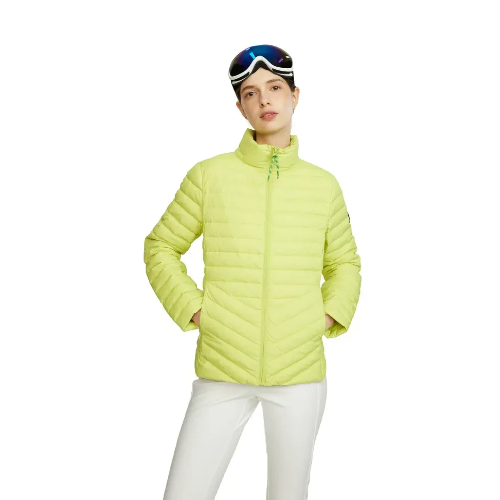
A lightweight jacket is a popular choice for a wide range of weather conditions, but a common question people often have is: Is a lightweight jacket warm enough? In this article, we will break down the factors that determine whether a lightweight jacket can provide sufficient warmth. We’ll explore the materials, insulation, and design features that contribute to a lightweight jacket’s ability to keep you warm, and when it’s the right choice for your outerwear needs.
What Defines a Lightweight Jacket?
Before answering the question of warmth, it’s important to understand the key characteristics that define a lightweight jacket. These jackets are designed to offer comfort, flexibility, and some level of protection from the elements without the bulk and heaviness of traditional winter outerwear.
Key Characteristics of a Lightweight Jacket
Material: Lightweight jackets are usually made from thinner, breathable materials that are designed to keep the weight low while still offering some protection. Common materials include nylon, polyester, soft-shell fabrics, and sometimes down or synthetic insulation.
Design: A lightweight jacket typically features a slim cut with minimal features, reducing bulk and allowing for a more fitted look. The jackets are designed to offer mobility and comfort, often with simple zippers, adjustable cuffs, and elasticized hems.
Purpose: These jackets are not designed for extreme cold. Instead, they are great for mild weather, transitional seasons, and layering purposes. They can provide protection against light rain, wind, or chilly evenings, but they are not built to withstand heavy snow or freezing temperatures.
How Lightweight Jackets Provide Warmth
While lightweight jackets may not offer the same level of warmth as heavy winter coats, they can still provide adequate warmth under the right conditions. Several factors contribute to how well a lightweight jacket keeps you warm.
Insulation Materials
The type of insulation used in a lightweight jacket significantly affects its warmth. While heavier jackets typically use thick layers of insulation (like down or high-density synthetic fibers), lightweight jackets use more minimal insulation, yet they can still be quite warm depending on the material.
Down Insulation: Down is one of the most efficient insulators available, offering a high warmth-to-weight ratio. Lightweight jackets with down fill are ideal for chilly conditions without the added bulk of heavy outerwear.
Synthetic Insulation: Synthetic insulation, like PrimaLoft, is often used in lightweight jackets. It mimics the warmth of down but offers better performance in wet conditions. Synthetic materials tend to be less compressible but still provide a good level of warmth.
Fleece and Soft-Shell Insulation: Some lightweight jackets use fleece or soft-shell materials for insulation. These fabrics provide warmth by trapping air within their fibers while remaining flexible enough for outdoor activities.
The key takeaway is that lightweight jackets with down or synthetic insulation can be quite warm for mild to moderate cold, but they are not designed for extreme freezing temperatures.
Layering to Enhance Warmth
One of the greatest advantages of a lightweight jacket is its ability to be used as a layering piece. Layering is a highly effective way to increase warmth while keeping your overall attire light and breathable. Here’s how a lightweight jacket can be used in a layering system:
Base Layer: The first layer (closest to your skin) helps with moisture-wicking and regulating your body temperature. This can include thermal shirts or moisture-wicking base layers.
Middle Layer: The middle layer, like a fleece jacket or light sweater, serves as the primary insulation, helping to trap body heat.
Outer Layer (Lightweight Jacket): The lightweight jacket acts as the protective outer shell, offering windproof or water-resistant features. It traps the warmth generated by the base and middle layers while providing flexibility and comfort.
Layering allows you to adjust your warmth based on the weather and your activity level. A lightweight jacket becomes an essential outer shell in this system.
Design Elements That Contribute to Warmth
While the material and insulation are important, the design of a lightweight jacket also plays a role in its ability to retain warmth. Some common design features that help a lightweight jacket stay warm include:
Adjustable Hoods: A hood provides added protection for the head and neck, which are important areas where heat can escape. Adjustable hoods allow you to snugly fit the jacket to your head for better warmth retention.
Elasticized Cuffs: Cuffs that can be tightened help prevent cold air from entering the sleeves. This design element is especially important in windy conditions.
High Collar Design: A higher collar offers additional warmth and protection for the neck area. Many lightweight jackets feature collars that can be zipped up to seal in warmth.
These design elements help keep your body heat from escaping, making the jacket warmer in moderate weather conditions.
When is a Lightweight Jacket Warm Enough?
Lightweight jackets are perfect for certain weather conditions, but they may not be warm enough for extreme cold. Let’s explore when a lightweight jacket is warm enough and ideal for wear.
Mild to Cool Weather
Lightweight jackets are most effective in mild to cool weather conditions, such as spring, fall, or early winter. They provide just enough warmth without causing you to overheat. They are ideal for:
Cool mornings and evenings: Lightweight jackets can keep you comfortable during early morning runs or evening walks.
Transitional Seasons: When the weather fluctuates between warm and chilly, lightweight jackets allow for comfort and mobility.
In these conditions, a lightweight jacket can be your go-to outerwear, providing warmth without being too bulky.
Outdoor Activities
If you’re involved in outdoor activities like hiking, running, or cycling, a lightweight jacket can offer enough warmth and protection from wind and light rain. These jackets are breathable and allow you to maintain body heat while staying comfortable during physical exertion.
Layering in Colder Weather
In colder temperatures, a lightweight jacket might not provide enough warmth on its own. However, it can still be a valuable layer in a layering system. For example:
In colder weather, you can wear the lightweight jacket as your outer layer, while adding a heavier sweater or fleece underneath for additional insulation.
Using a lightweight jacket as part of a layered outfit helps you adjust to fluctuating temperatures throughout the day.
![Lightweight Jacket]()
Factors Affecting the Warmth of a Lightweight Jacket
Several factors influence how warm a lightweight jacket is. Understanding these factors can help you make an informed decision about which jacket is best suited for your needs.
Factor | Impact on Warmth |
Material | Synthetic fabrics and down insulation provide warmth without bulk. |
Insulation Type | Down insulation offers superior warmth-to-weight ratio; synthetic insulation performs better in wet conditions. |
Thickness | Thicker jackets tend to offer more warmth. Lightweight jackets are thinner, so their warmth depends on the insulation. |
Weather Resistance | Water-resistant or windproof jackets prevent heat loss due to environmental exposure. |
Fit and Layering | A snug fit and the ability to layer underneath improve warmth retention. |
The material, thickness, and insulation type all play critical roles in the warmth provided by a lightweight jacket. Additionally, layering and weather resistance can enhance its overall performance.
Comparing Lightweight Jackets to Heavier Jackets
While lightweight jackets offer versatility and warmth for mild weather, they are not as warm as heavier winter coats and parkas. Let’s compare these jackets in terms of warmth and functionality.
Feature | Lightweight Jacket | Heavy Jacket (e.g., Parka) |
Warmth | Ideal for mild to cool weather, often used for layering. | Provides insulation for extreme cold temperatures. |
Weight | Light and easy to pack or wear for extended periods. | Heavier and bulkier, designed for warmth in harsh conditions. |
Weather Resistance | Often water-resistant or windproof. | Waterproof and highly insulated for severe cold. |
Layering | Ideal for layering. | Typically worn as a single, insulated layer. |
While a lightweight jacket is perfect for active use in mild conditions, it’s not designed to protect against severe weather. Heavier jackets, on the other hand, are more suited for harsh winters but are bulkier and less versatile for day-to-day wear.
Conclusion
In conclusion, a lightweight jacket offers sufficient warmth for mild weather, outdoor activities, and as part of a layering system for colder conditions. These jackets excel at providing comfort, flexibility, and moderate warmth without the bulk, making them a versatile choice for various climates and activities. While they may not be suitable for extreme cold, they are perfect for transitional seasons and active wear. By considering factors such as insulation materials, layering potential, and weather conditions, you can easily determine if a lightweight jacket meets your warmth needs.
At Nanjing JXD-SPY Co., Ltd., we specialize in creating high-quality lightweight jackets that combine warmth, durability, and style. Our jackets are designed to provide optimal comfort and protection, making them ideal for outdoor adventures or everyday wear. If you're looking for a reliable and stylish lightweight jacket, we invite you to explore our collection. Should you have any questions or need assistance, feel free to contact us – we're here to help you find the perfect jacket for your needs.
FAQ
Q1: Are lightweight jackets warm enough for winter?
Lightweight jackets are not designed for extreme winter conditions. They are better suited for mild to cool weather, though they can be layered for additional warmth during colder temperatures.
Q2: Can I wear a lightweight jacket in cold weather?
A lightweight jacket can be worn in colder weather if layered with a sweater or fleece. However, it may not provide enough warmth on its own for freezing temperatures.
Q3: What makes a lightweight jacket warm?
A lightweight jacket’s warmth comes from the materials used, such as down or synthetic insulation. The jacket’s ability to trap air, combined with its fit and design, helps retain body heat.
Q4: How do I know if a lightweight jacket is warm enough for me?
Consider the weather conditions and your activity level. A lightweight jacket is ideal for mild to moderate conditions but may need additional layers for cold weather.