Introduction
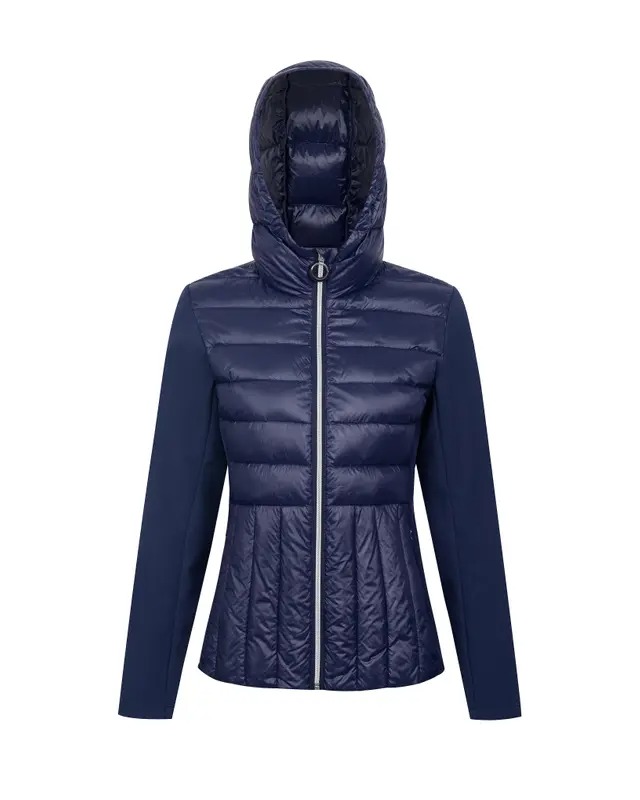
A jacket isn’t just another item in your wardrobe—especially a down jacket. It’s your best ally during winter chills, windy evenings, or unexpected cold snaps. Whether you prefer a sleek bomber jacket, a snug puffer jacket, or a lightweight jacket for transitional weather, knowing how to clean a down jacket properly can significantly extend its life and performance. While the idea of washing something filled with feathers might seem intimidating, the reality is much simpler when approached methodically. In this guide, we’ll delve into how to clean, dry, and maintain your down jacket like a pro—without damaging its insulation, shape, or fabric integrity.
Understanding Down Jackets – What Makes Them Special
Before jumping into cleaning techniques, it's essential to understand what sets down jackets apart. Unlike regular jackets, down jackets are insulated with the fine under feathers of ducks or geese. This natural material offers excellent warmth without much bulk, which is why it’s often used in puffer or lightweight jackets. However, down is also delicate. Improper care can cause the feathers to clump, reducing both warmth and comfort.
Additionally, the outer fabric is usually treated with a DWR (durable water repellent) coating to make the jacket water-resistant. Washing without caution can strip off this coating, making your jacket less effective in wet conditions. This is why understanding the material composition helps you make smarter decisions when it comes to cleaning.
Step-by-Step Guide – How to Wash a Down Jacket at Home
H3: Step 1 – Check the Label First
Every jacket is different, and your first step should always be checking the care label. Some jackets are machine washable, while others require dry cleaning or hand washing. The label will tell you the maximum temperature, recommended detergents, and drying guidelines.
H3: Step 2 – Preparation is Key
Zip up the jacket, fasten Velcro tabs, and turn it inside out. This prevents hardware from damaging the fabric or washer drum. Remove any fur collars or detachable parts.
Also, avoid regular laundry detergent—it can strip the natural oils from the down. Instead, use a special down wash or a mild, fragrance-free soap.
H3: Step 3 – Machine Wash with Precision
Place the jacket in the washing machine alone or with a few other lightweight items like towels to balance the load. Use a front-loading washer on a gentle cycle with cold water. Avoid top loaders with agitators, which can damage the fill and seams.
Use only a small amount of down-specific detergent. Run an extra rinse cycle to ensure no soap residue remains, which can affect feather loft.

Drying a Down Jacket – The Most Crucial Step
Drying a down jacket is more complicated than washing it. Wet down clumps together and needs to be fully fluffed to regain its insulating properties. Never wring out your jacket—it could break the stitching and compress the down.
Tumble Dry with Tennis Balls
Place the damp jacket in a dryer with two to three clean tennis balls or dryer balls. These help to break up clumps and restore loft. Set the dryer to a low heat setting—high temperatures can damage the fabric and feathers.
Drying can take 2–3 hours. Check periodically to ensure the jacket is drying evenly and not overheating. Gently massage clumps with your hands between cycles.
Hand Washing Alternative – For Sensitive or Older Jackets
If your jacket is too delicate for a machine or the care label forbids machine washing, hand washing is a safer method.
How to Hand Wash Your Jacket
Fill a bathtub or large sink with lukewarm water and add a down-safe detergent. Submerge the jacket and gently agitate the water with your hands. Let it soak for about 30 minutes. Do not scrub, twist, or wring the jacket.
Drain the tub and press the jacket against the side to remove excess water. Refill with clean water and repeat rinsing until all soap is gone.
Lay it flat on a towel and roll it up to absorb moisture. Then proceed with the tumble-dry method mentioned above.
Common Mistakes to Avoid While Washing Jackets
Many jackets lose their function because of simple cleaning mistakes. Here are some pitfalls to avoid:
| Mistake | Why It's Harmful |
| Using standard laundry soap | Breaks down down’s natural oils, reducing insulation |
| Skipping extra rinse cycles | Leaves soap residue, causing clumping |
| High-heat drying | Damages fabric and down fill |
| Air drying without fluffing | Causes clumps and uneven drying |
| Using fabric softener | Clogs fabric and decreases breathability |
By avoiding these errors, you’ll ensure your jacket stays warm, soft, and functional.

FAQs – Your Down Jacket Cleaning Questions Answered
Can I wash my down jacket too often?
Yes. Frequent washing can wear out the fabric and reduce the loft of the feathers. Only wash it when it’s visibly dirty or begins to smell. Generally, 1–2 times per season is enough.
What if the jacket smells after washing?
This could be due to trapped moisture. Make sure it's fully dry and run an additional drying cycle if necessary. A little white vinegar in the wash can also neutralize odors.
Is it better to air dry or machine dry a jacket?
Machine drying with tennis balls is the best way to restore the jacket’s loft. Air drying can take days and often results in clumps unless manually broken up.
Can I iron my down jacket?
No. Heat damages the delicate fill and fabric. If wrinkles bother you, hang it in a steamy bathroom or use a garment steamer with caution.
Long-Term Maintenance Tips for Your Jacket
Once your jacket is clean and dry, store it properly to keep it in good condition. Don’t compress it in a tight bag—down needs space to breathe. Hang it in a closet or loosely fold it in a cotton bag. Avoid plastic containers that trap moisture and lead to mildew.
Periodically air it out, especially during the off-season, and inspect for rips or leaking feathers. Small tears can be patched with fabric repair tape to prevent further damage.
Conclusion
Your down jacket—whether a heavy-duty puffer, a cool-weather bomber jacket, or a transitional lightweight jacket—is an investment in warmth and comfort. With proper cleaning, drying, and storage practices, you can keep it looking fresh and functioning like new for many years. Think of your jacket not just as gear, but as a trusted companion that deserves your attention and care.