Introduction
A Quilted Jacket earns its place in daily wear because it offers a practical balance of warmth, comfort, and easy styling. It sits neatly between heavy coats and light layers, which makes it useful across changing weather and busy routines. The real goal is not to pick the boldest style, but to choose one that fits well, layers smoothly, feels comfortable through the day, and works with the clothes you already wear. In this article, you will learn how to judge fit, warmth, fabric, features, and versatility, so you can choose a jacket that truly suits everyday life.
Start with the Right Quilted Jacket Fit for Daily Comfort
Check shoulder, sleeve, and torso fit first
The best Quilted Jacket usually feels right in the shoulders before anything else. If the shoulder line sits cleanly and the sleeves move easily, the rest of the jacket often follows. A good everyday fit should rest neatly across the chest, allow natural arm motion, and avoid pulling when zipped. The collar should also sit close without pressing hard. Outer layers are meant to fit comfortably over lighter pieces, so the jacket should look tidy while still leaving a little working space through the torso. This balance supports daily walking, driving, commuting, and desk use without feeling stiff.
Leave enough room for light layering underneath
A daily Quilted Jacket should not be chosen over a T-shirt alone unless you live in a very mild climate. Most people wear it over a shirt, knit, or thin sweatshirt, so a little layering room matters. Outdoor layering guidance consistently shows that outer layers should fit over base and mid layers without restricting movement. In daily wear, that means you should be able to zip it over a light sweater and still move your shoulders and elbows easily. This extra space also helps the jacket stay useful across seasons, which makes it a smarter buy for everyday wardrobes.
Tip: For retail or sourcing teams, test fit over the knitwear weight your customers wear most often, not just over a tee.
Choose a silhouette that matches your daily routine
The right silhouette should support how a Quilted Jacket is actually used across the week. Daily movement, layering habits, commute style, and outfit range all shape which cut feels most practical, comfortable, and visually balanced over time.
| Daily Routine Factor | Recommended Quilted Jacket Silhouette | What to Check | Why It Works | Best For | Buying Guidance |
| Office commute | Trim, low-bulk silhouette | Clean shoulder line, close body fit, easy zip closure, neat hem | A slimmer shape looks sharper and layers well over shirts or fine knits without adding visual weight | Workdays, transit, business-casual dressing | Choose a jacket that looks structured both open and zipped |
| Errands and city walking | Lightly shaped regular fit | Natural sleeve movement, balanced torso room, non-bulky quilting | It keeps the look polished while allowing enough movement for walking, shopping, and short daily stops | Everyday city use, lunch runs, casual appointments | A regular fit often gives the best mix of style and comfort |
| School runs | Slightly relaxed silhouette | Easy arm reach, room through chest and waist, simple front fastening | A little extra ease helps during repeated movement, quick layering, and frequent on-off wear | Parents, caregivers, morning and afternoon routines | Prioritize comfort in motion over a sharply fitted look |
| Travel days | Relaxed but controlled silhouette | Flexible torso, lightweight structure, low-pressure shoulders, smooth lining | Travel requires sitting, carrying bags, and temperature changes, so the jacket should stay comfortable for long hours | Air travel, train trips, road travel | Look for ease through the body without oversized volume |
| Bike use | Streamlined, mobility-friendly silhouette | Shorter length, non-restrictive sleeves, secure front closure, limited bulk | A streamlined cut reduces drag and avoids awkward bunching during movement | Cycling, scooter use, active commuting | Make sure the hem and sleeves do not interfere with motion |
| Driving and car-based routines | Low-bulk, shorter silhouette | Smooth back panel, comfortable seated fit, no excess padding at the waist | Sitting compresses bulky outerwear, so a shorter and lighter cut feels cleaner and less restrictive | Daily driving, pickup routines, mixed indoor-outdoor use | Test how it sits when fully zipped, not only while standing |
| Indoor-outdoor transitions | Low-profile regular or trim fit | Breathable feel, moderate room for layering, easy front opening | It handles shifting temperatures better and feels less heavy when moving between spaces | Commute-to-office days, retail work, café hopping | Choose moderate insulation and controlled volume for better versatility |
| Long hours outside | Slightly relaxed silhouette | Layering space, comfortable underarm movement, longer back coverage | More time outside often means more layers, so extra room improves comfort and heat retention | Outdoor events, weekend markets, long walks | Allow enough space for a knit or sweatshirt underneath |
| Casual-only dressing | Relaxed casual silhouette | Softer body line, easy fit, comfortable drape, casual quilting scale | A looser shape suits laid-back outfits and gives a more effortless feel | Jeans, joggers, sneakers, weekend wear | Choose balance; relaxed should still look intentional, not oversized |
| Smart-casual crossover | Trim or clean regular silhouette | Refined quilting, smooth front, balanced proportions, polished collar shape | It bridges casual and polished outfits more easily and works across more social settings | Work-to-dinner use, social events, city weekends | Pick a silhouette that feels tidy over both knitwear and collared shirts |
| Frequent bag carrying | Streamlined silhouette with low shoulder bulk | Stable shoulder fit, reduced padding at upper body, smooth armhole shape | Less upper-body bulk helps the jacket sit better under backpack or shoulder bag straps | Commuters, students, travel users | Avoid overly padded shoulders if bags are part of daily use |
| Layering priority | Slightly relaxed or regular silhouette | Enough chest and sleeve room for a light sweater or overshirt | It makes the jacket useful across more seasons and daily temperature shifts | Transitional weather, all-purpose wardrobes | Fit-test over the layers most likely to be worn underneath |
| Style-first minimal wardrobe | Trim, streamlined silhouette | Clean lines, neat quilting, calm proportions, versatile hem length | A sharper outline increases outfit flexibility and makes the jacket easier to dress up | Capsule wardrobes, urban dressing, refined casual use | A clean shape usually delivers better cost-per-wear |
| All-round daily use | Balanced regular silhouette | Not too slim, not too loose, easy movement, wearable when open or zipped | It adapts well to mixed routines and reduces the risk of the jacket feeling too formal or too casual | Buyers wanting one main daily Quilted Jacket | The safest choice is often a regular fit with low bulk and moderate shaping |
Tip:When judging silhouette, test the jacket in motion, not just in front of a mirror. Walk, sit, zip it fully, and lift your arms. A daily Quilted Jacket should stay balanced through all four actions.
")
Choose the Right Level of Warmth in a Quilted Jacket
Match insulation weight to your local weather
Warmth should match climate first, not marketing language. REI notes that insulated jackets are rarely given simple temperature ratings, so buyers should judge warmth by overall loft, insulation type, and intended use. In general, thicker and puffier jackets feel warmer, while lighter insulation works better for daily transition weather. For many city routines, a light-to-medium insulated Quilted Jacket is the easiest choice because it handles cool mornings, mild afternoons, and indoor stops well. If your weather is damp or mixed, synthetic insulation is often a practical pick because it continues to perform well in moisture and dries quickly.
Decide whether you need a standalone jacket or a layering piece
Some quilted styles are meant to be the main outer layer. Others are better as part of a system. Patagonia, REI, and The North Face all describe clothing warmth through layers: a base layer manages moisture, a midlayer traps heat, and an outer layer protects from wind or rain. That framework helps when choosing a Quilted Jacket. If you want one for dry, cool days and short city trips, a standalone piece may be enough. If your weather changes fast, a lighter quilted style that fits under a shell can give more range and more outfit flexibility across the week.
Pick breathable warmth for commuting and all-day wear
Daily jackets need more than warmth. They need comfort during movement, public transit, indoor heat, and stop-and-go routines. Breathable insulation helps here because it reduces the heavy, trapped feeling that can make a jacket tiring by midday. Arc’teryx and REI both emphasize moisture movement and comfort across changing activity levels when discussing layering and insulated pieces. For everyday use, that means choosing a Quilted Jacket that feels warm outside but does not become oppressive indoors. Lightweight fill, easier venting through the front opening, and less bulky construction usually make a jacket more wearable from morning to evening.
Note: For B2B buying, “daily warmth” often sells better when described through use cases like commute, school run, and weekend errands.
Compare Quilted Jacket Fabrics and Outer Materials
Cotton-touch quilted styles for softer everyday wear
Fabric feel changes how a jacket is perceived. Cotton-touch quilted fabrics often feel softer, quieter, and more relaxed, which makes them appealing for casual daily use. They pair well with denim, knitwear, chinos, and everyday boots because the texture feels familiar and easy. This type of Quilted Jacket can also read as more lifestyle-focused than technical, which helps it move smoothly across errands, coffee stops, and casual work settings. For brands and buyers targeting everyday wardrobes, a softer handfeel often supports repeat wear because comfort is sensed the moment a customer puts it on. Style guides also show quilted pieces working well as versatile wardrobe staples.
Synthetic shells for easier care and light weather protection
Synthetic shell fabrics are popular because they are light, durable, and easy to maintain. They also pair naturally with synthetic insulation, which many care guides describe as resilient and practical for mixed conditions. REI highlights that synthetic insulation performs when damp and dries faster than down, while care guides from Rab and Helly Hansen recommend simple cleaning routines using gentle products and low-stress washing steps. For daily wear, this makes a synthetic-shell Quilted Jacket especially appealing for commuters and regular repeat use. It offers a clean look, workable weather coverage, and a routine that fits real life better than high-maintenance outerwear.
Lining and fill materials that balance warmth and comfort
The inside matters as much as the shell. A good lining helps the jacket slide over layers easily, while the fill determines warmth, loft, and overall weight. REI explains that down offers strong warmth for its weight and packs down well, while synthetic insulation offers reliable performance in damp conditions and quick drying. For many daily buyers, the best answer is the fill that matches routine, not the one that sounds most premium. A Quilted Jacket designed for regular city wear often performs best when the lining feels smooth, the fill feels even, and the whole jacket stays balanced instead of heavy or overly technical.
Focus on the Features That Improve Daily Use
Pockets, closures, and collars that add convenience
Useful features often decide whether a jacket becomes a daily favorite. A Quilted Jacket should support the way people actually move through the day. Deep hand pockets help on cold walks. Secure inside pockets help with cards, phones, or passes. A clean zip front speeds up on-off use. A snap placket can add polish. A comfortable collar gives light neck coverage without needing a scarf every time. These details may sound small, yet they shape everyday experience more than decorative extras do. For B2B product planning, convenience features usually add visible value without changing the core identity of the garment.
Lightweight construction that feels easy to wear all day
Weight matters in daily clothing because people wear it for long hours, not just short outdoor bursts. A lighter Quilted Jacket is easier to carry, easier to pack onto a chair, and easier to throw over other clothes when temperatures shift. REI’s guidance on insulated jackets and layering shows why lighter, lower-bulk construction suits varied activity and transition weather. In real terms, a daily jacket should feel present but not demanding. It should move from sidewalk to office to café without making the wearer want to take it off immediately. Low-bulk quilting and moderate insulation usually support that kind of all-day comfort.
Water-repellent finishes and easy-care details for regular use
Daily jackets perform better when they are ready for light drizzle, splashes, and repeated wear. That is where water-repellent finishes and simple-care construction become useful. Patagonia explains that technical outerwear performance is maintained through proper washing with mild products, while Peak Performance notes that water repellency can be refreshed over time through re-proofing. For a daily Quilted Jacket, this means it is worth choosing styles that already include light water-repellent treatment and straightforward care instructions. Those features help the jacket stay fresh, wearable, and presentable during repeated weekly use, especially in mixed urban weather.
Tip: When developing product pages, explain water-repellent use as “light daily weather support” to set clear and helpful expectations.
Pick a Quilted Jacket Length and Design That Works with Your Wardrobe
Short Quilted Jacket styles for active, casual outfits
A shorter Quilted Jacket often works best for people who want easy movement and casual styling. It pairs naturally with jeans, joggers, straight trousers, and everyday boots or sneakers. Shorter cuts also feel practical for driving, walking quickly, and carrying bags because the hem stays out of the way. Style coverage from fashion and country-wear sources shows quilted jackets thriving as versatile transitional layers, especially when worn over simple shirts, knits, or denim-based outfits. For everyday wardrobes, short lengths often succeed because they feel quick, clean, and uncomplicated, which makes repeat styling much easier.
Mid-length options for better coverage and versatility
Mid-length quilted styles offer a little more coverage while keeping the clean, wearable feel that makes quilted outerwear popular. They work well for cooler mornings, longer walks, and smart-casual dressing because they visually bridge function and polish. A mid-length Quilted Jacket can also sit well over longer shirts, knit dresses, or business-casual layers without looking cropped. This extra coverage often makes the jacket feel more complete as a daily outer layer. For buyers who want one main piece for workdays and weekends, mid-length design usually delivers strong wardrobe range without becoming overly formal or too sporty.
Stitch pattern, color, and trim that make styling easier
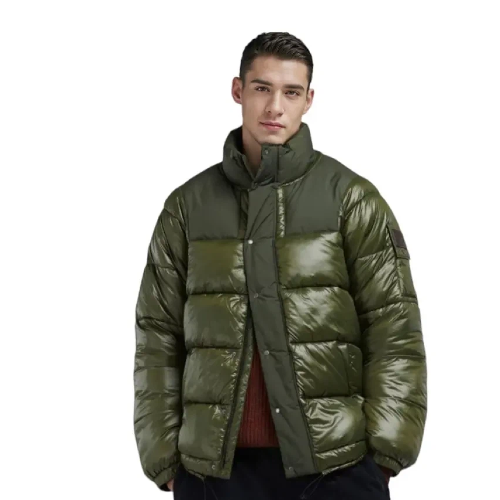
Design details affect versatility more than many buyers expect. Diamond quilting often looks classic and clean. Larger quilt blocks can feel more modern and casual. Dark neutrals, olive tones, and soft earth shades tend to mix easily into daily wardrobes, while simple trim keeps the jacket flexible across outfit types. Style guides repeatedly show quilted jackets working best when they blend into existing clothing rather than dominating it. That is why the most useful Quilted Jacket is often the one in an easy color and balanced stitch pattern. It looks distinctive enough to feel special, yet simple enough to wear several times a week.
Choose a Quilted Jacket for Your Everyday Lifestyle
Best Quilted Jacket traits for commuting and city errands
For commuting, the best jacket is one that manages change well. It should feel warm on the walk outside, comfortable on transport, and easy to remove once indoors. A daily Quilted Jacket for city use usually benefits from low bulk, useful pockets, smooth layering, and breathable warmth. Layering guidance from Patagonia, Arc’teryx, and REI all points toward systems that keep the body warm, dry, and comfortable during changing output and changing conditions. In city life, that often translates into a jacket that does not overbuild warmth. It gives enough insulation to stay comfortable, while staying light enough for daily transitions.
Everyday options for school runs, travel, and weekend wear
For family routines and weekend movement, ease matters. A Quilted Jacket in this role should be simple to throw on, easy to fold or carry, and relaxed enough to work across casual outfits. Short trips, public transport, grocery stops, and day travel all reward jackets that resist fuss. Lightweight insulated pieces are especially useful here because they balance warmth and portability. REI’s insulation guidance also notes the packability benefits of lighter insulated outerwear, while style sources show quilted jackets pairing well with low-effort daily clothing. This mix of comfort, portability, and styling ease is what makes them so useful beyond a single setting.
Smart-casual Quilted Jacket choices for work and social settings
For smart-casual dressing, a Quilted Jacket works best when each design element supports a polished, low-effort look. The points below break down what to assess, why it matters, and how each feature affects outfit range in real daily use.
| Smart-Casual Factor | What to Look For in a Quilted Jacket | Why It Matters | Best Pairing Direction | Buying Signal |
| Silhouette | Trim but not tight; clean shoulder line; straight or lightly shaped body | A sharper silhouette reads more refined and sits better over shirts or knitwear | Works well with collared shirts, knit polos, merino sweaters, and tailored trousers | Choose a fit that looks balanced both zipped and open |
| Overall Bulk | Light to medium padding; controlled profile; no excessive puffiness | Lower bulk helps the jacket feel closer to tailored outerwear than weekend-only outerwear | Easier to wear in offices, restaurants, meetings, and casual business settings | If it looks smooth under indoor lighting, it will style more easily |
| Quilting Pattern | Small diamond quilting, narrow channel quilting, or evenly spaced stitching | Neater quilting creates visual order and keeps the jacket from looking too rugged or sporty | Pairs better with refined basics and smarter footwear | Avoid oversized quilt blocks if the goal is a polished wardrobe role |
| Hardware Finish | Matte snaps, low-shine zippers, tonal trims, discreet pullers | Quiet hardware keeps attention on shape and texture instead of decoration | Matches loafers, leather sneakers, Chelsea boots, and simple belts | Matte metal or concealed fastenings usually feel more premium |
| Color Palette | Navy, black, olive, charcoal, taupe, or other calm neutrals | Stable colors increase wardrobe compatibility and reduce styling friction | Easy to combine with white, blue, grey, camel, and earthy tones | A calm color usually gives more weekly wear than a bold seasonal shade |
| Collar Design | Stand collar, shirt collar, or minimal collar construction | The collar frames the face and strongly affects whether the piece feels casual or elevated | Shirt collars feel classic; stand collars feel clean and modern | Choose a collar that sits neatly with both open-neck and layered looks |
| Length | Hip-length or slightly below hip for most smart-casual use | Balanced length helps the jacket sit cleanly over trousers without looking cropped or overly casual | Strong with chinos, wool trousers, dark denim, and smart jogger hybrids | Mid-short lengths usually give the best mix of polish and movement |
| Fabric Surface | Smooth shell, lightly brushed finish, or clean woven texture | Surface texture changes formality; smoother fabrics look more office-friendly | Better for mixed settings from commute to meeting to dinner | A clean surface often makes the jacket easier to dress up |
| Layering Compatibility | Enough room for a fine gauge knit or button-down shirt | Smart-casual jackets need to layer without creating pulling or bunching | Supports all-day use across changing indoor and outdoor temperatures | Test over a shirt and lightweight sweater, not just a T-shirt |
| Hem and Cuff Cleanliness | Simple cuffs, tidy hem finish, minimal elastic exposure | Cleaner finishing details help the jacket feel intentional and structured | Better with tailored separates and polished casual outfits | Less visual clutter usually improves smart-casual versatility |
| Styling Range | Works with both casual and refined wardrobe pieces | A good smart-casual jacket should move across work, errands, and social plans | Can pair with denim on one day and wool trousers the next | Prioritize jackets that do not depend on one single styling context |
| Use Case Strength | Suitable for office-adjacent wear, client visits, dinners, travel days | The best daily piece earns repeat use because it fits several real scenarios | Helps reduce wardrobe overlap and improves cost-per-wear | Strong crossover use is a sign of good daily-buy potential |
Tip:When choosing a smart-casual Quilted Jacket, judge it under “indoor clothing rules.” If it still looks neat beside shirts, knitwear, and tailored trousers, it has real weekday versatility.
")
Make Sure Your Quilted Jacket Stays Easy to Maintain
Read care instructions before you buy
Care starts before purchase, not after. A jacket that looks good but demands a complicated routine may not become a true daily piece. That is why checking the care label matters. Helly Hansen, Rab, and Arc’teryx all emphasize reading garment instructions first, then choosing the correct wash method and cleaning product. For a daily Quilted Jacket, this step helps buyers understand whether the garment supports regular machine care, special detergent, low-heat drying, or occasional re-proofing. A clear care path supports confidence, and confidence often leads to more frequent wear, which is exactly what daily outerwear should deliver.
Look for materials that keep shape with frequent wear
Daily jackets get repeated use, so shape retention matters. Fabrics and fills that recover well after sitting, folding, and washing help the jacket look polished over time. Synthetic insulated garments are often promoted for resilience in damp conditions and practical upkeep, and careful washing routines are recommended to maintain performance and structure. When choosing a Quilted Jacket, look for even quilting, stable stitching, and materials that feel balanced instead of flimsy. Those signs often suggest the garment will stay visually neat through repeat wear. For everyday wardrobes, long-looking freshness matters almost as much as first-day comfort.
Choose a Quilted Jacket that is simple to refresh and store
A daily jacket should be easy to reset between wears. Spot cleaning, gentle washing, low-heat drying, and occasional refresh treatment all help maintain performance and appearance. Several care sources advise avoiding fabric softener and harsh detergents because they can interfere with insulation and fabric function, while low-heat drying and proper storage help the garment keep loft and shape. In practical terms, the right Quilted Jacket is one that fits into normal household care. If it can be refreshed without drama and stored neatly between seasons, it is far more likely to earn a lasting place in the wardrobe.
Conclusion
The right Quilted Jacket is one that fits well, layers easily, offers breathable warmth, and works across daily outfits and routines. Smart choices also include practical details, easy care, and lasting versatility for work, errands, and weekends. Nanjing JXD-SPY Co., Ltd. adds value by offering well-made quilted outerwear with reliable comfort, wearable design, and service that supports consistent quality for everyday use.
FAQ
Q: What makes a Quilted Jacket good for daily use?
A: A Quilted Jacket should fit well, layer easily, and feel light enough for regular wear.
Q: How do I choose the right Quilted Jacket warmth?
A: Match your Quilted Jacket to local weather and choose breathable insulation for all-day comfort.
Q: Should I choose a Quilted Jacket or a heavier coat?
A: A Quilted Jacket suits mild daily wear better; a heavier coat works for colder conditions.