1. Introduction
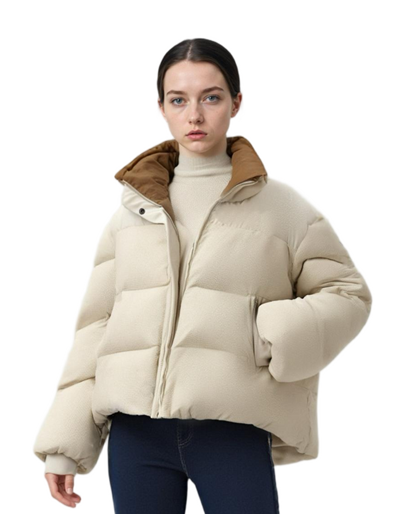
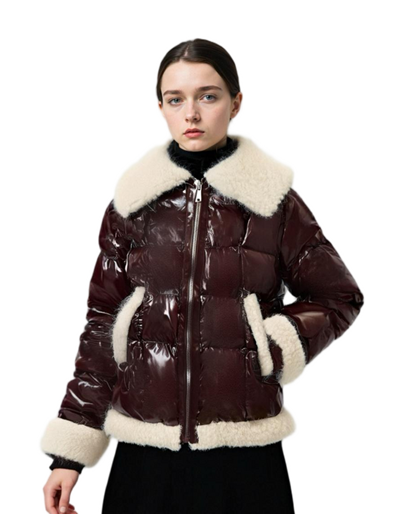
Puffer jackets are everywhere this winter. But have you ever wondered what makes them so warm and cozy? Is it the material that makes all the difference?
In this article, we’ll explore the materials that go into a puffer jacket, from the outer shell to the insulation. By the end, you’ll understand how these materials impact warmth, comfort, and durability, helping you make an informed purchase.
2. Key Components of a Puffer Jacket
The Outer Shell: Defending Against the Elements
The outer shell of a puffer jacket plays a crucial role in protecting the wearer from the elements. It acts as the first line of defense against rain, snow, and wind. The material choice for the outer shell significantly influences the jacket's performance, durability, and overall comfort.

Common Fabrics Used for the Shell
● Nylon: Known for its strength, nylon is a popular choice for the outer shell of puffer jackets. It is lightweight yet durable, providing excellent resistance to abrasion and tears. Nylon also offers good water resistance, which makes it a reliable option for outdoor activities in colder weather. Its smooth texture enhances the fit and comfort of the jacket.
● Polyester: Polyester is another common fabric used in puffer jackets. It is more affordable than nylon and provides good durability. It is also resistant to UV rays, which helps maintain the color of the jacket over time. Polyester is hydrophobic, meaning it repels water, making it a solid choice for wet conditions. However, it is generally heavier than nylon.
● Recycled Fabrics: With growing environmental concerns, many brands are opting for recycled fabrics, such as recycled polyester and nylon, for their puffer jackets. Recycled materials help reduce the environmental impact of production while maintaining performance standards. These fabrics are durable and perform similarly to traditional materials, making them a great choice for eco-conscious consumers.
Weather Resistance and Durability
In addition to fabric strength, weather resistance is another crucial factor when selecting an outer shell material. Puffer jackets are typically treated with Durable Water Repellent (DWR) coatings, which help shed light rain and snow. These coatings ensure the jacket remains breathable while offering a degree of water resistance. For extreme conditions, some jackets feature advanced materials like Gore-Tex that offer both waterproofing and breathability.
Fabric Type | Durability | Water Resistance | Breathability | Use Case |
Nylon | High | Moderate | Good | Outdoor adventures |
Polyester | Moderate | Good | Moderate | Everyday winter wear |
Recycled | Moderate | Moderate | Good | Sustainable fashion |
Insulation Material: The Heart of Warmth
Insulation is the key component that keeps puffer jackets warm. The type of insulation used determines the jacket’s warmth, weight, and compressibility. There are two primary categories of insulation used in puffer jackets: down insulation and synthetic insulation.
Down Insulation
● Goose vs. Duck Down: Down insulation comes from the soft feathers of geese or ducks. Goose down is typically more expensive due to its superior warmth-to-weight ratio. It is often found in high-end puffer jackets. Duck down is more affordable and provides slightly less warmth, but still offers excellent thermal insulation.
● Fill Power: Fill power measures the loft or fluffiness of the down. The higher the fill power, the more air it traps, and the warmer the jacket will be. A puffer jacket with 600 fill power offers good warmth, while jackets with 700 or 800 fill power provide superior insulation for colder climates.
● Pros and Cons of Natural Down: Down is lightweight and highly compressible, making it easy to pack and store. However, it loses its insulating properties when wet unless treated. Additionally, natural down can be costly, and there are ethical concerns regarding its sourcing.
Synthetic Insulation
● Popular Synthetic Materials: Synthetic insulation options, such as PrimaLoft and Thinsulate, are designed to mimic the properties of down. These materials are made from polyester fibers that retain warmth even when wet, making them a great option for damp conditions. Synthetic insulation is also hypoallergenic, making it suitable for those who are sensitive to natural down.
● Advantages of Synthetic Insulation: Synthetic insulation is generally more affordable than down and is easier to care for. It does not clump when wet and retains its warmth even in high humidity. However, it tends to be bulkier and heavier than down insulation, offering a lower warmth-to-weight ratio.
● Comparison with Down Insulation: While down insulation provides superior warmth and compressibility, synthetic insulation has a significant advantage in wet conditions. It is also more durable over time and easier to maintain.
Insulation Type | Warmth-to-Weight | Wet Performance | Durability | Cost |
Down | Excellent | Poor (unless treated) | High | Expensive |
Synthetic | Good | Excellent | Moderate | Affordable |
3. Additional Design Features: Enhancing Durability and Comfort

Quilting and Baffle Design: How It Impacts Insulation
The design of the quilted pattern plays a significant role in the jacket’s overall insulation performance. The baffles (the quilted sections) help distribute the insulation evenly, ensuring consistent warmth and preventing cold spots.
Different Quilting Patterns
● Horizontal and Vertical Baffles: These are the most common quilting patterns found in puffer jackets. Horizontal baffles provide a more classic look, while vertical baffles are often used to create a slimmer silhouette.
● V-Shaped or Diamond Patterns: More innovative quilting designs like V-shapes or diamonds are becoming popular as they help distribute insulation more evenly. These patterns prevent insulation from shifting and ensure better heat retention.
Reinforced Zippers and Closures
The durability of zippers and closures is critical for puffer jackets that will be exposed to harsh weather conditions. High-quality zippers, such as YKK zippers, are preferred for their strength and reliability. Many jackets also feature storm flaps or zipper garages to protect the zippers from moisture and wind, enhancing the jacket's longevity.
Feature | Benefits |
Zippers | High strength, prevents breakage in harsh conditions |
Storm Flaps | Blocks wind and moisture, enhances durability |
Adjustable Closures | Helps retain warmth, improves fit |
Lining Materials: Comfort and Functionality
The lining of a puffer jacket is just as important as the outer shell and insulation. It ensures comfort, moisture control, and structural stability. The material choice for the lining affects the overall feel of the jacket and its ability to regulate temperature during active use.
Polyester vs. Nylon Linings
● Polyester Linings: Polyester linings tend to trap more moisture, making them less breathable in humid conditions. However, they are durable and maintain their shape over time.
● Nylon Linings: Nylon is lighter and more breathable, offering better moisture management. However, it can be less durable than polyester, particularly when exposed to frequent friction.
Innovative Lining Technologies
Some performance brands are now incorporating moisture-wicking fabrics and anti-static coatings into their linings. These materials help maintain comfort by keeping the wearer dry and preventing static buildup in cold weather.
4. Innovations in Puffer Jacket Materials
Sustainable Materials: A Trend Toward Eco-Friendly Choices
As sustainability becomes a priority for both consumers and brands, the use of eco-friendly materials in puffer jackets is on the rise.
Recycled Polyester and Nylon
● Benefits of Recycled Fabrics: Recycled polyester (rPET) is made from post-consumer plastic bottles or textile waste. Using these fabrics reduces waste and lowers carbon emissions compared to traditional polyester. Many brands now feature puffer jackets made from recycled fabrics, offering the same performance as virgin materials with a smaller environmental footprint.
Bio-Based Insulation Alternatives
● PrimaLoft Bio: A synthetic insulation made from 100% recycled and biodegradable fibers, offering similar performance to traditional synthetic insulation.
● Bamboo Fibers: Some brands are experimenting with bamboo fibers as an eco-friendly alternative for insulation. Bamboo is naturally hydrophobic and biodegradable, making it a promising option for sustainable jackets.
High-Tech Materials and Future Trends
Smart Fabrics and Graphene Insulation
● Self-Heating Materials: Researchers are developing graphene-based insulation and self-heating fabrics that can adjust their temperature based on external conditions. These advancements could revolutionize how puffer jackets provide warmth in the future.
Advances in Waterproofing and Breathability
● Gore-Tex and Other Advanced Fabrics: Jackets with Gore-Tex or other breathable waterproof membranes are ideal for extreme weather conditions. These materials ensure water resistance while maintaining breathability, allowing for comfort during high-intensity activities.
Conclusion
Puffer jackets are made from a combination of materials, including nylon or polyester for the outer shell, and down or synthetic insulation for warmth. Choosing the right material depends on your specific needs, such as weather conditions, personal style, and activity level. With growing sustainability trends, brands like Nanjing JXD-SPY Co., Ltd. offer eco-friendly options, providing high-performance puffer jackets that meet the demands of both fashion and functionality.
FAQ
Q: What material is a puffer jacket made of?
A: A puffer jacket is typically made from an outer shell of nylon or polyester and insulated with either down or synthetic materials like PrimaLoft or Thinsulate.
Q: Why is the material of a puffer jacket important?
A: The material affects the jacket's warmth, durability, water resistance, and overall comfort. Choosing the right material based on your needs ensures better performance.
Q: What is the best insulation for a puffer jacket?
A: Down insulation offers excellent warmth-to-weight ratio, while synthetic insulation performs better in wet conditions, making it ideal for unpredictable weather.
Q: Are puffer jackets made from recycled materials?
A: Yes, many brands now use recycled polyester and nylon for the outer shell and insulation, contributing to eco-friendly fashion.
Q: How do I choose the right material for a puffer jacket?
A: Consider factors like weather conditions, activity level, and style preferences. Nylon is durable, polyester is water-resistant, and down offers superior warmth.