Views: 164 Author: Site Editor Publish Time: 2025-06-09 Origin: Site
Bomber jackets have transcended their military origins to become timeless fashion staples. But what exactly is a bomber jacket, and why does it remain so popular across generations and cultures? Let’s dive deep into the history, features, styles, and enduring appeal of this iconic jacket design.
Origins of the Bomber Jacket: From Cockpits to Catwalks
The bomber jacket traces its roots back to World War I and II, originally created for military pilots navigating open-air cockpits in extreme conditions. Designed to be windproof, warm, and functional, the early versions were made of leather with sheepskin lining. These jackets weren’t about fashion—they were built for survival.
As military aviation technology advanced, so did the needs of pilots. The MA-1, developed in the 1950s, used nylon instead of leather, making it lighter and more versatile for jet aircraft cockpits. Over time, the MA-1 became standard issue in the U.S. Air Force and eventually seeped into civilian life.
By the 1970s and 1980s, bomber jackets had made their way into popular culture, worn by punk rockers, hip-hop artists, and rebellious youth. Today, they’ve evolved far beyond their utilitarian roots, appearing on high-fashion runways and in everyday streetwear.
Key Features That Define a Bomber Jacket
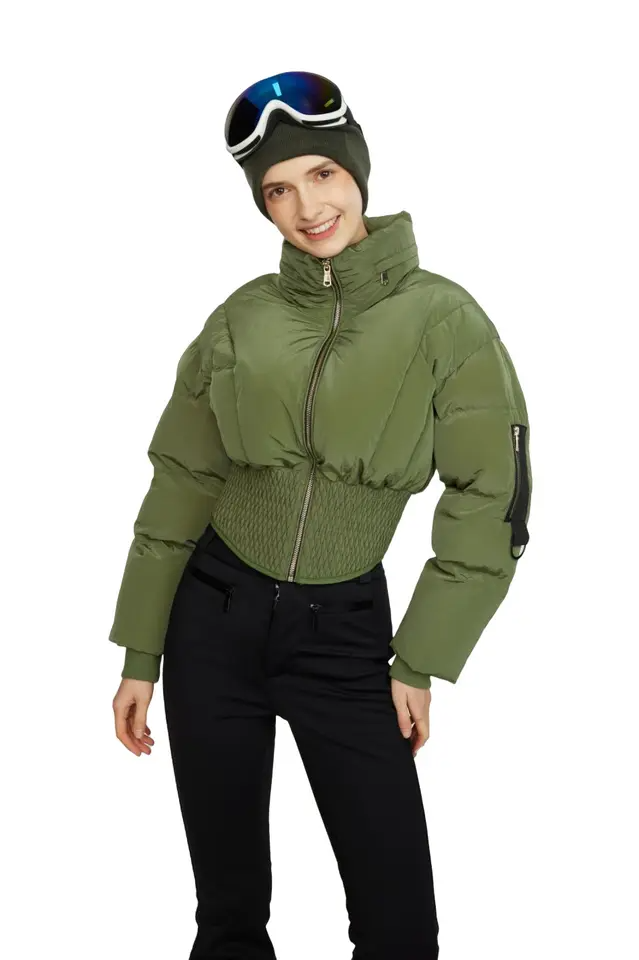
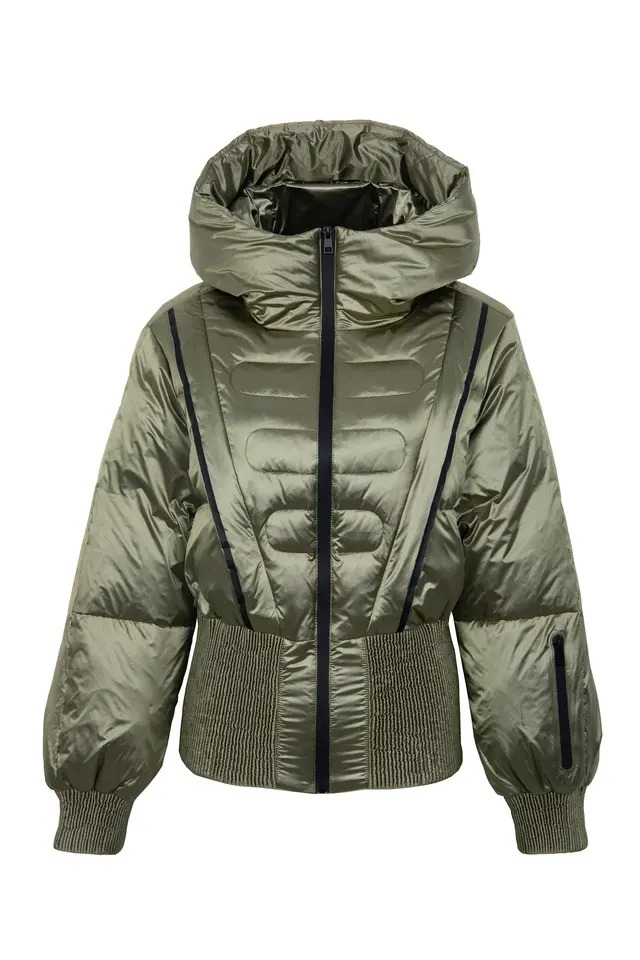
So, what sets a bomber jacket apart from other jackets? Several key features define its classic look and feel:
Ribbed cuffs and hem: These help retain warmth and create a snug fit.
Front zipper: A central zip closure is a defining trait.
Fitted waistband: Unlike trench coats or parkas, bomber jackets typically cinch at the waist.
Short length: Designed to allow free movement, most bombers end at the waist or just below.
Shoulder and sleeve design: The sleeves often appear fuller, allowing more flexibility and comfort.
Some bomber jackets include utility pockets on the sleeve—a nod to their military ancestry. Modern versions, however, may incorporate various materials like wool, suede, denim, or even satin, adding style versatility without losing the core bomber identity.
Types of Bomber Jackets: A Comparative Overview
Not all bomber jackets are created equal. Below is a table comparing different types and what sets them apart:
Type
Material
Lining
Best For
Key Feature
MA-1
Nylon
Polyester/Wool
Cold Weather
Orange reversible interior
B-15
Leather/Nylon
Fur
Harsh Climates
Shearling collar
A-2
Horsehide/Goat
Cotton/Wool
Military Replica
Flap pockets, snap collar
Fashion Bomber
Satin/Suede
Silk or Light Liner
Everyday Casual
Decorative details, patterns
Varsity Jacket
Wool + Leather
Cotton/Polyester
Collegiate Aesthetic
Contrast sleeves and patches
Choosing the right jacket often depends on where and how you plan to wear it. A leather-lined A-2 might be perfect for winter, while a satin bomber works great for spring fashion.
How to Style a Bomber Jacket: From Streetwear to Sophistication
One of the bomber jacket’s greatest strengths is its versatility. Whether you’re dressing up or down, this jacket adapts with ease:
Casual Look: Pair a nylon bomber with jeans, sneakers, and a white T-shirt for a classic streetwear vibe.
Smart Casual: Go for a suede bomber over chinos and loafers. Layer with a button-down shirt to balance rugged and refined.
Edgy Appeal: Leather bombers with metal zippers or patches add a rebellious flair. Combine with combat boots or distressed denim.
Sporty Style: Athletic-inspired bombers with logos or varsity designs can be paired with joggers and hoodies.
The key to styling a bomber jacket lies in balancing proportion. Because bombers have a bulkier upper half, slim-fit pants or tapered trousers help create a well-proportioned silhouette.
Frequently Asked Questions About Bomber Jackets
Let’s answer some of the most common questions people ask about bomber jackets:
Are bomber jackets still in style?
Yes, bomber jackets remain a perennial trend. Their ability to blend into different styles—streetwear, preppy, minimalism—makes them a wardrobe essential.
Can bomber jackets be worn in all seasons?
While originally designed for colder climates, modern versions come in lightweight materials suitable for spring and autumn. Look for breathable fabric blends for warmer weather.
What body types suit bomber jackets?
Bomber jackets suit most body types, but individuals with broader shoulders may find the fit especially flattering. Slim individuals should opt for fitted versions to avoid looking overwhelmed.
Can you wear a bomber jacket to work?
If your workplace embraces business casual, a minimalist suede or wool bomber can replace a blazer. However, avoid overly embellished or shiny materials for professional settings.
Caring for Your Bomber Jacket: Maintenance Tips
To extend the life of your bomber jacket, follow these basic care tips:
Read the label: Always check the manufacturer’s instructions. Some materials require dry cleaning.
Spot cleaning: For minor stains, use a damp cloth with mild detergent.
Storage: Hang on a padded hanger in a cool, dry closet. Avoid plastic covers that trap moisture.
Leather Bombers: Condition leather periodically to maintain suppleness. Keep away from direct sunlight.
Nylon or Polyester Bombers: Machine-washable options should be washed on a gentle cycle with cold water and air-dried.
Proper care not only preserves the jacket's look but also its shape and fit. A well-maintained bomber can last for years, if not decades.
Conclusion
The bomber jacket is more than just a fashion trend—it’s a symbol of history, culture, and adaptability. From military runways to fashion streets, its evolution tells a story of reinvention. With its classic design, ease of wear, and unisex appeal, it remains a go-to choice for anyone looking to add a functional yet stylish layer to their wardrobe.
Whether you're into casual dressing, smart layering, or simply want a reliable outerwear piece, a bomber jacket delivers. Its universal appeal proves that some styles never go out of fashion—they only evolve.
Nanjing JXD-SPY Co.,Ltd. is composed of a well-experienced team in R & D design, manufacturing technique, sample production, quality control, pre-sale, and after-sales service. Our China and Myanmar have more than 1000 sewing workers and are certified by BSCI, WRAP, and GRS.