Puffer jackets have become a winter essential for many, but what exactly do they do? Are they just stylish outerwear, or do they offer real protection against the cold?
In this article, we will explore how a puffer jacket works to keep you warm, the different types of insulation, and why it's a must-have for cold weather. You’ll also discover practical features that make it suitable for everyday use.
What Makes a Puffer Jacket Warm?
Insulation and Heat Retention
Puffer jackets work by trapping air within the jacket’s fill, which acts as an insulator. The fill is typically made of down (duck or goose feathers) or synthetic materials. These materials create small pockets of air, which trap heat generated by the body and prevent it from escaping. This trapped air forms an effective barrier against the cold.
The primary role of insulation in a puffer jacket is to retain body heat while being lightweight and breathable. Insulation helps maintain warmth without adding unnecessary bulk, which is a key feature for anyone who needs warmth without feeling weighed down.

The Science Behind the Quilted Design
The iconic quilted design of a puffer jacket plays a crucial role in its warmth. The stitching patterns create air pockets between the jacket's outer fabric and the inner insulation. These air pockets trap warm air and reduce heat loss, keeping you warmer for longer periods.
The material of the fill—whether down or synthetic—also contributes to this function. Down provides superior warmth for its weight due to its loftiness, while synthetic insulation tends to offer better moisture resistance.
Types of Insulation in Puffer Jackets
Down Insulation
Down insulation is made from the soft feathers of ducks or geese. It’s known for its high warmth-to-weight ratio and compressibility, which makes it easy to pack and store. Down is ideal for dry, cold conditions, but it tends to lose its insulating properties when wet.
Synthetic Insulation
Synthetic insulation is typically made from polyester fibers. These fibers mimic the qualities of down but are more moisture-resistant and quick-drying, making them ideal for wet or humid conditions. While they may be heavier than down, they still provide warmth and are generally more affordable.
How Puffer Jackets Protect You from the Elements
Water Resistance and Waterproofing
Puffer jackets are often made with water-resistant or waterproof outer shells to keep the insulation dry. The water-resistant coating on the fabric helps repel light rain or snow, preventing the jacket from absorbing moisture, which could compromise its insulating properties.

However, it's important to note that while many puffer jackets are water-resistant, waterproof jackets have additional features like sealed seams and waterproof zippers that provide greater protection in heavier rain or wet snow.
Feature | Water-Resistant Puffer Jacket | Waterproof Puffer Jacket |
Protection Level | Resists light rain/snow | Resists heavy rain |
Outer Fabric | Water-resistant coating | Waterproof materials |
Seams | Regular stitching | Sealed or taped seams |
Zippers | Standard zippers | Waterproof zippers |
Windproofing and Heat Retention
Puffer jackets are also designed to provide wind protection. The outer fabric is often wind-resistant, creating a barrier that prevents cold winds from stealing your body heat. This feature complements the insulation, enhancing the jacket's overall performance in extreme conditions.
Versatility for Different Seasons
Though puffer jackets are most commonly associated with winter, many modern designs are versatile enough for fall and spring. Lightweight options are ideal for layering, while thicker options provide warmth during extreme winter temperatures.
Some puffer jackets are even designed with removable hoods or adjustable features, making them adaptable for fluctuating temperatures.
Key Functions of a Puffer Jacket
Core Warmth for Extreme Cold
Puffer jackets excel at maintaining warmth even in extreme cold conditions. This is achieved through the jacket’s insulating fill, which traps body heat and prevents it from escaping into the surrounding cold air. The insulation, made from materials like down or synthetic fibers, creates a buffer against the chill, allowing the jacket to act as a thermal shield.
The insulation works by creating a series of air pockets that hold heat close to your body, making puffer jackets an excellent choice for harsh winter weather. Whether you are embarking on an outdoor adventure like hiking or simply need something to keep you warm during your commute, a puffer jacket ensures your body stays insulated from the cold, enabling you to face freezing temperatures with ease.
This functionality makes puffer jackets ideal for outdoor enthusiasts, skiers, and snowboarders, who need reliable and effective protection against freezing conditions. On the other hand, even if you are just walking in the city on a chilly day, the jacket’s ability to trap warmth without adding bulk makes it a practical and stylish choice.
Lightweight and Packable
One of the key selling points of a puffer jacket is its lightweight nature despite offering significant warmth. The insulation material, particularly down, is naturally compressible and provides a high warmth-to-weight ratio. This means that even the thickest down-filled jackets can remain surprisingly light and comfortable to wear.
Beyond warmth, puffer jackets are highly packable, making them a travel-friendly option. Whether you are heading on a ski trip or just need an extra layer on a cold evening, you can easily fold or roll a puffer jacket and stash it in a backpack, suitcase, or even a handbag. They are designed to compress into a compact size without losing warmth, which makes them highly portable and easy to carry when not in use.
This portability feature is especially useful for backpackers and travelers, who may need to pack light without sacrificing warmth during cold weather. Plus, many puffer jackets come with a stuff sack, allowing them to be neatly stored in your bag, saving precious space for other essentials.
Practical Everyday Features
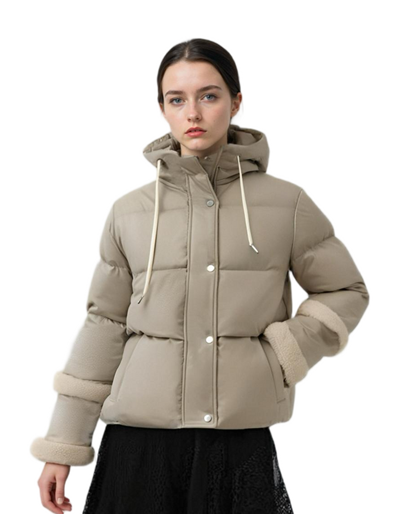
While warmth is the primary function of a puffer jacket, modern designs incorporate a range of practical features that make them ideal for everyday use. One of the most important features is the adjustable hood. Many puffer jackets come with a hood that can be tightened to offer extra protection for your head and neck against the cold and wind. A removable hood is another great option for those who prefer more versatility, as it allows the jacket to be styled differently based on the weather.
Adjustable cuffs are also a standard feature in many puffer jackets. By tightening the cuffs around your wrists, you prevent cold air from entering through the sleeves, keeping your arms warm and reducing the need for additional layers. This makes puffer jackets a great option for layering with sweaters or other outerwear.
Another important everyday feature is the pocket system. Puffer jackets often come equipped with multiple pockets, both interior and exterior, providing ample storage space for your essentials like keys, wallet, and phone. Some jackets even include secure zippered pockets that allow you to store valuables safely when you’re on the move.
For added convenience, many puffer jackets are equipped with reflective elements. These features enhance visibility during low-light conditions, making puffer jackets a great choice for evening walks, early morning jogs, or winter bike rides. Reflective trims and panels are often designed in stylish ways, ensuring they don’t compromise the jacket’s appearance while keeping you visible for safety.
These practical features make puffer jackets not only warm and protective but also incredibly versatile, suitable for a range of activities from urban outings to outdoor adventures. Whether you are using it for outdoor exploration or just running errands in the city, the combination of warmth, functionality, and style is what makes a puffer jacket a must-have for cold weather.
Choosing the Right Puffer Jacket for Your Needs
Temperature and Climate Considerations
When choosing a puffer jacket, it’s important to consider the climate and temperature you’ll be in. If you're in a cold, dry area, down insulation is the best choice due to its superior warmth-to-weight ratio. For wet or humid conditions, a synthetic puffer jacket is better since it retains warmth even when damp.
Fit and Activity Level
The fit of your puffer jacket should match your activity level and personal style. Slim-fit jackets are great for urban wear, offering a sleek and stylish look, while oversized jackets are more suited for layering. If you're involved in outdoor activities, make sure the jacket provides enough room for movement without sacrificing warmth.
Additional Features for Extra Warmth
When shopping for a puffer jacket, look for extra features that improve warmth and comfort. Adjustable hems and high-loft insulation offer better warmth retention, while reflective elements help with visibility during outdoor activities.
Common Myths About Puffer Jackets
Do Puffer Jackets Lose Warmth When Wet?
One common myth is that all puffer jackets lose warmth when wet. While it's true that down insulation loses its insulating properties when wet, many synthetic puffer jackets retain warmth even when damp. Furthermore, many down jackets are now treated with water-resistant coatings to help combat moisture.
Are Puffer Jackets Only for Winter?
Many people assume that puffer jackets are only for winter. While they are great for cold, snowy conditions, lightweight options make puffer jackets suitable for fall and spring as well. Their versatility allows them to be worn in various seasons, especially when layered over other clothing.
Ethical Sourcing of Down Insulation
Concerns about animal cruelty often arise in discussions about puffer jackets. However, many brands now use ethically sourced down certified by organizations like the Responsible Down Standard. Additionally, there are synthetic alternatives that mimic the warmth and loft of down without using animal products.
Conclusion
A puffer jacket is designed to provide warmth and protection from cold weather. It traps body heat through insulation, making it ideal for extreme conditions. When choosing the right jacket, consider factors like insulation type, climate, and activity level. Nanjing JXD-SPY Co., Ltd. offers high-quality puffer jackets that combine durability, warmth, and style, ensuring comfort and functionality in any weather.
FAQ
Q: What does a puffer jacket do?
A: A puffer jacket keeps you warm by trapping body heat in its insulation, which helps protect against cold temperatures.
Q: How does a puffer jacket provide warmth?
A: The jacket's insulation, made from down or synthetic materials, creates air pockets that trap heat, keeping you warm.
Q: What is the difference between down and synthetic puffer jackets?
A: Down puffer jackets provide better warmth-to-weight ratios, while synthetic jackets are more moisture-resistant and faster drying.
Q: Why are puffer jackets lightweight?
A: Puffer jackets use compressible insulation that traps warmth without adding much bulk, making them easy to pack.
Q: Can puffer jackets be worn in all seasons?
A: Yes, lightweight puffer jackets can be worn in fall and spring, while thicker versions are perfect for winter.