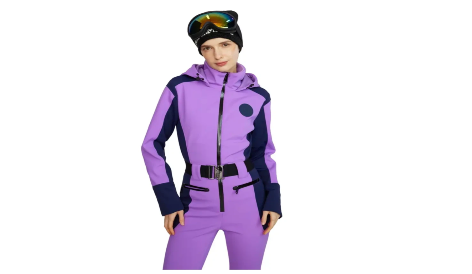
When most people think about skiing, they imagine breathtaking mountain views, fresh powder, and the thrill of gliding downhill. But before you hit the slopes, there’s one piece of gear that can make or break your experience—the ski jacket.
While it may seem like just another layer of clothing, a ski jacket is a high-performance piece of technology designed to keep you warm, dry, and comfortable in some of the most extreme outdoor conditions. To truly appreciate its importance, you need to understand how ski jackets are built—and how each layer works together to protect you.
1. The Purpose of Layering in Ski Jackets
Skiing involves constantly changing environments—cold winds on a chairlift, intense movement on a downhill run, and sudden snow or sleet. A good ski jacket needs to regulate your temperature, manage moisture, and protect you from the elements—all without limiting mobility.
That’s why ski jackets are designed as a layered system, typically consisting of three main components:
The Outer Shell Layer – Provides weather protection.
The Insulation Layer – Traps body heat.
The Lining Layer – Manages moisture and enhances comfort.
Each layer serves a distinct role, and the balance between them determines how well your jacket performs.
2. The Outer Shell: Your First Line of Defense
The outer shell of a ski jacket is what shields you from snow, rain, and wind. It’s the layer that faces the environment head-on, and its effectiveness is largely determined by waterproofing and breathability.
a. Waterproof Ratings
Waterproofing is measured in millimeters (mm), indicating how much water pressure the fabric can withstand before leaking.
5,000 mm – Suitable for light snow and short exposure.
10,000–15,000 mm – Ideal for regular resort skiing.
20,000 mm and above – Designed for extreme or backcountry conditions.
A durable water-repellent (DWR) coating is often applied to the outer fabric, helping water bead and roll off rather than soak in.
b. Breathability
Equally important is breathability, measured in grams (g/m²/24h). This indicates how well the fabric allows sweat vapor to escape.
5,000 g/m² – Basic protection for casual use.
10,000–20,000 g/m² – Standard for most performance ski jackets.
25,000+ g/m² – For intense, high-output skiing or backcountry touring.
Without adequate breathability, moisture builds up inside the jacket, leading to clamminess and discomfort.
c. Fabric Technology
Modern ski jackets use advanced materials like GORE-TEX, Dermizax, eVent, or Proprietary Membranes, which combine waterproof and breathable properties. Some brands even offer stretch fabrics for enhanced mobility, making turns and maneuvers easier on the slopes.

3. The Insulation Layer: Trapping Heat Where It Matters
The insulation layer is what keeps you warm, and it can vary depending on the intended use of the jacket.
a. Down Insulation
Down (natural duck or goose feathers) provides excellent warmth-to-weight ratio. It’s extremely lightweight and compressible, perfect for cold and dry conditions. However, when wet, down loses its insulating power—unless it’s treated with a water-resistant coating.
b. Synthetic Insulation
Synthetic fibers like PrimaLoft, Thinsulate, or Polartec Alpha mimic down’s loft while retaining heat even when wet. These materials are more durable and easier to maintain, making them a popular choice for variable weather conditions.
c. Insulated vs. Shell Jackets
Some ski jackets have built-in insulation (2-in-1 designs), while others are shell jackets—which provide no insulation but allow flexible layering underneath. Skiers who face diverse climates often prefer shells, as they can adapt their base and mid-layers depending on the temperature.
4. The Lining Layer: Comfort and Moisture Control
The lining may not get much attention, but it plays a crucial role in comfort. It’s the inner surface that touches your base layers and helps wick away sweat.
a. Moisture Management
High-quality linings use moisture-wicking materials such as microfleece, mesh, or tricot knit to draw perspiration away from the skin. This prevents chill caused by evaporative cooling when you stop moving.
b. Enhanced Comfort
Some linings include stretch panels or smooth taffeta sections that allow easy movement and prevent friction with inner layers. Premium designs even feature body-mapped insulation, where different areas of the jacket have varied thicknesses to optimize warmth and flexibility.
5. Additional Features That Make a Difference
Beyond the three primary layers, ski jackets come with a variety of technical features designed for comfort, safety, and convenience.
Feature | Function |
Sealed Seams | Prevent water from seeping through stitching holes. |
Powder Skirt | Blocks snow from entering through the bottom of the jacket. |
Underarm Vents | Allow heat and moisture to escape during intense activity. |
Adjustable Cuffs and Hem | Seal out drafts and improve fit. |
Helmet-Compatible Hood | Provides weather protection without restricting movement. |
Recco® Reflector | Assists rescue teams in locating you in case of an avalanche. |
These details may seem minor, but they collectively enhance performance and comfort on the mountain.
6. How Layering Works Together
A properly layered ski jacket system functions much like a personal climate control unit, creating a microclimate around your body. This microclimate balances warmth, airflow, and moisture management so you stay comfortable even as external weather conditions shift dramatically throughout the day.
Here’s how the layers work together to achieve that balance:
The Base Layer (Closest to the Skin): Although not technically part of the jacket, your base layer plays an essential role. Made from moisture-wicking materials like merino wool or synthetic blends, it draws sweat away from your skin to keep you dry. A damp base layer quickly leads to chills, even inside the warmest jacket.
The Insulation Layer (Within the Jacket): This layer traps and retains warm air generated by your body. Insulation thickness can vary depending on the jacket type—light insulation for active skiing, heavier for cold, windy days. The goal is to maintain steady warmth without overheating.
The Outer Shell (Your Shield): Acting as the first line of defense, the outer shell prevents wind, snow, and sleet from seeping in. At the same time, it must allow internal moisture vapor to escape, ensuring you don’t feel clammy after long, intense runs.
When all layers operate in harmony, they create an efficient thermal system that keeps your temperature stable and your body dry. This balance ensures maximum comfort—whether you’re ascending a chairlift in biting winds or carving through powder under the sun. A well-chosen jacket, when combined with appropriate layering underneath, provides reliable protection across changing altitudes and temperatures.
7. Common Mistakes When Choosing a Ski Jacket
Even seasoned skiers can make mistakes when purchasing or wearing a ski jacket. Because conditions on the mountain are unpredictable, choosing the wrong gear can result in discomfort or even safety risks. Below are the most frequent pitfalls—and how to avoid them:
Overinsulating: Many skiers assume more insulation equals more warmth. In reality, excessive insulation traps too much heat and leads to sweating. Once your inner layers become damp, you’ll cool rapidly when you stop moving, creating discomfort and potential hypothermia risks.
Ignoring Breathability: A jacket can have a high waterproof rating yet still feel stifling if it lacks ventilation. Without proper breathability, trapped moisture condenses inside the jacket, soaking your base layers and making you feel wet from within. Always balance waterproof performance with good airflow.
Choosing the Wrong Fit: Fit directly affects both comfort and performance. A jacket that’s too tight restricts upper-body mobility, especially around the shoulders and elbows. One that’s too loose allows cold air and snow to enter. Look for a tailored fit that accommodates layering underneath while maintaining a full range of motion.
Overlooking Ventilation Features: When skiing aggressively or in warmer conditions, heat can build up quickly. Underarm vents (pit zips) or mesh-lined openings let you release excess warmth without unzipping your jacket entirely—essential for regulating body temperature on the go.
Neglecting Maintenance: Even the best ski jacket requires care. Over time, dirt, body oils, and sweat residues can clog the fabric’s pores, reducing both waterproofing and breathability. Regular cleaning with specialized detergent and reapplying a DWR (durable water repellent) coating restores the jacket’s performance and prolongs its lifespan.
By understanding and avoiding these common mistakes, you can ensure that your ski jacket delivers peak performance, durability, and comfort season after season—no matter what the mountains throw at you.
Conclusion
Your ski jacket is far more than just outerwear—it’s a carefully engineered system that determines how you feel, perform, and enjoy your time on the mountain. Understanding its layers helps you make smarter choices that match your style of skiing, climate conditions, and comfort preferences.
Whether you’re a beginner hitting your first slopes or a seasoned professional tackling backcountry runs, investing in a well-constructed ski jacket can elevate your entire skiing experience.
If you’re seeking expertly designed and durable ski jackets built with advanced materials and craftsmanship, consider learning more from Nanjing JXD-SPY Co., Ltd.. The company specializes in high-quality outdoor apparel and performance gear designed for both protection and style—making it an excellent choice for those who take their winter adventures seriously.