Finding the right clothing manufacturer is one of the most critical decisions in building a successful apparel business. Whether launching a new fashion label or scaling an existing brand, the manufacturing partner directly influences product quality, delivery timelines, and long-term operational stability. Many businesses struggle with sourcing due to unclear requirements, inconsistent supplier quality, and communication gaps across regions.
A reliable clothing manufacturer is not just a production facility but a strategic partner capable of supporting product development, ensuring quality consistency, and adapting to changing market demands. In today’s globalized supply chain, options range from small workshops to large-scale factories offering integrated services such as design, sampling, and logistics.
Understanding how to find, evaluate, and collaborate with the right clothing manufacturer helps reduce risk while improving efficiency. A structured approach allows businesses to move from idea to production with greater control and predictability.
Key Takeaways
● Finding the right clothing manufacturer requires clear product definition and sourcing strategy
● A professional clothing manufacturer should demonstrate strong production capacity and quality systems
● Online platforms, trade shows, and referrals are key sourcing channels
● Sampling and supplier vetting are essential before mass production
● Working with an experienced clothing manufacturer improves production stability and scalability
Why Finding the Right Clothing Manufacturer Matters
Impact on Product Quality
The quality of garments is directly tied to the capabilities of the clothing manufacturer. Fabric selection, stitching techniques, and finishing processes all depend on the factory’s technical expertise. A manufacturer with strong quality control systems ensures that each production batch meets consistent standards.
Poor manufacturing can result in defects, inconsistent sizing, and material failures, which affect brand reputation. Selecting a capable clothing manufacturer reduces these risks and ensures that products align with market expectations. Over time, consistent quality builds trust and strengthens brand positioning.
Influence on Brand Growth
A clothing manufacturer plays a central role in determining how quickly a brand can scale. Production capacity, lead times, and flexibility all influence how efficiently new collections can be launched. Manufacturers with scalable operations support growth without compromising quality.
In addition, experienced manufacturers often provide insights into material sourcing and cost optimization. This contributes to more sustainable growth by balancing quality and profitability. Long-term collaboration creates stability in the supply chain.
Supply Chain Stability
Supply chain disruptions can significantly impact delivery schedules and customer satisfaction. A reliable clothing manufacturer maintains stable sourcing channels and production workflows. This reduces the likelihood of delays caused by material shortages or operational inefficiencies.
Working with a manufacturer that has established systems in place ensures continuity even during periods of high demand. Stability in production leads to better inventory planning and improved business performance.
Step 1 – Define Your Needs Before Searching
Product Category and Specialization
Different manufacturers specialize in different product categories, such as outerwear, sportswear, or casual apparel. Identifying the product type helps narrow down suitable options. A clothing manufacturer with category-specific expertise delivers better construction and material performance.
For example, outerwear requires knowledge of insulation, waterproof fabrics, and seam sealing techniques. Selecting a manufacturer experienced in this area leads to more reliable outcomes. Specialization often correlates with higher product quality.
Minimum Order Quantity and Budget
Minimum order quantity (MOQ) varies widely across manufacturers. Understanding production volume requirements helps align expectations early in the process. Some manufacturers offer flexible MOQs, while others focus on large-scale production.
Budget considerations also influence manufacturer selection. Pricing depends on factors such as material cost, labor, and production complexity. A clear budget framework ensures that discussions remain practical and efficient.
Timeline and Production Planning
Production timelines include sampling, revisions, and bulk manufacturing. A clothing manufacturer with efficient workflows can reduce lead times significantly. Planning timelines in advance helps avoid delays during peak seasons.
Clear scheduling ensures that product launches align with market demand. Timely delivery is essential in fashion, where trends change rapidly.
Step 2 – Where to Find Clothing Manufacturers
Online Platforms
Online sourcing platforms provide access to a wide range of clothing manufacturers across different regions. These platforms allow businesses to compare capabilities, certifications, and pricing structures. Digital communication tools simplify initial outreach and evaluation.
However, verifying information is essential, as not all listings accurately reflect production capabilities. Cross-checking details through samples and certifications ensures reliability. Online platforms serve as a starting point rather than a final decision point.
Trade Shows and Industry Events
Trade shows offer direct interaction with clothing manufacturers. This allows for real-time discussions about production capabilities and product samples. Physical inspection of garments provides insight into quality standards.
Meeting manufacturers in person also builds trust and improves communication. Industry events often feature specialized suppliers, making it easier to find niche expertise. These interactions contribute to more informed decision-making.
Referrals and Industry Networks
Referrals from industry contacts provide valuable insights into reliable manufacturers. Recommendations often come with firsthand experience, reducing uncertainty. Networking within fashion communities expands access to trusted suppliers.
Online communities and forums also share information about sourcing experiences. Combining referrals with independent verification strengthens the selection process.
Step 3 – How to Vet a Clothing Manufacturer
Certifications and Compliance
Certifications indicate adherence to international standards in quality and ethical production. Common certifications include BSCI, WRAP, and OEKO-TEX. These certifications reflect the manufacturer’s commitment to responsible practices.
A clothing manufacturer with recognized certifications demonstrates structured processes and accountability. This reduces risks associated with compliance and product safety. Verification of certifications ensures authenticity.
Production Capabilities and Capacity
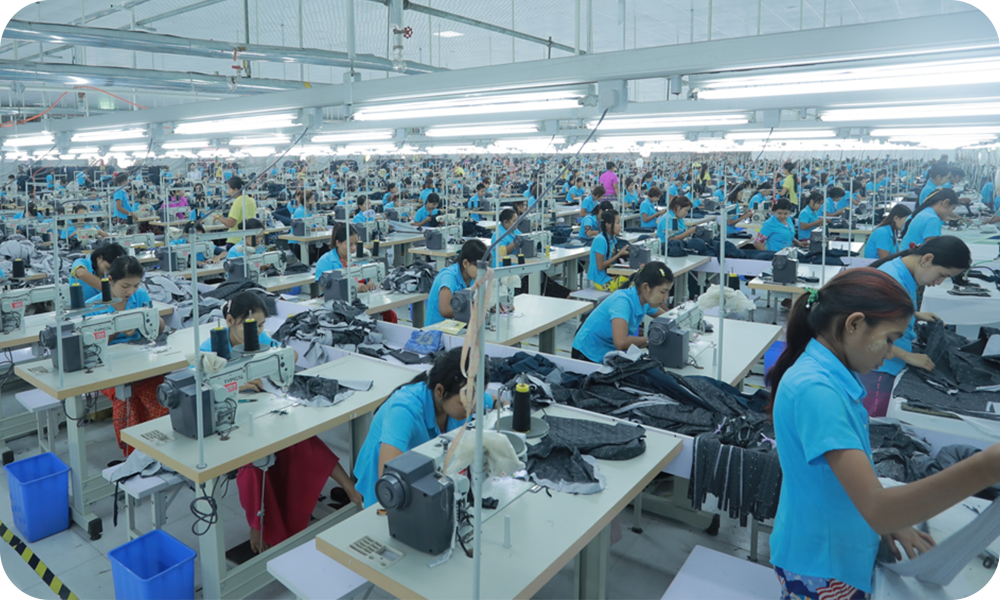
Evaluating production capacity helps determine whether a manufacturer can handle current and future demand. This includes assessing machinery, workforce size, and operational efficiency. A well-equipped clothing manufacturer maintains consistent output quality.
Understanding production capabilities also involves reviewing technical expertise. This includes knowledge of fabrics, construction methods, and finishing techniques. Capability alignment ensures successful production outcomes.
Communication and Responsiveness
Effective communication is essential for smooth collaboration. A responsive clothing manufacturer provides timely updates and clear information. This reduces misunderstandings and improves workflow efficiency.
Language proficiency and structured communication channels enhance coordination. Consistent communication ensures that project requirements are accurately implemented.
Step 4 – Request Samples and Compare Quotes
Sample Evaluation
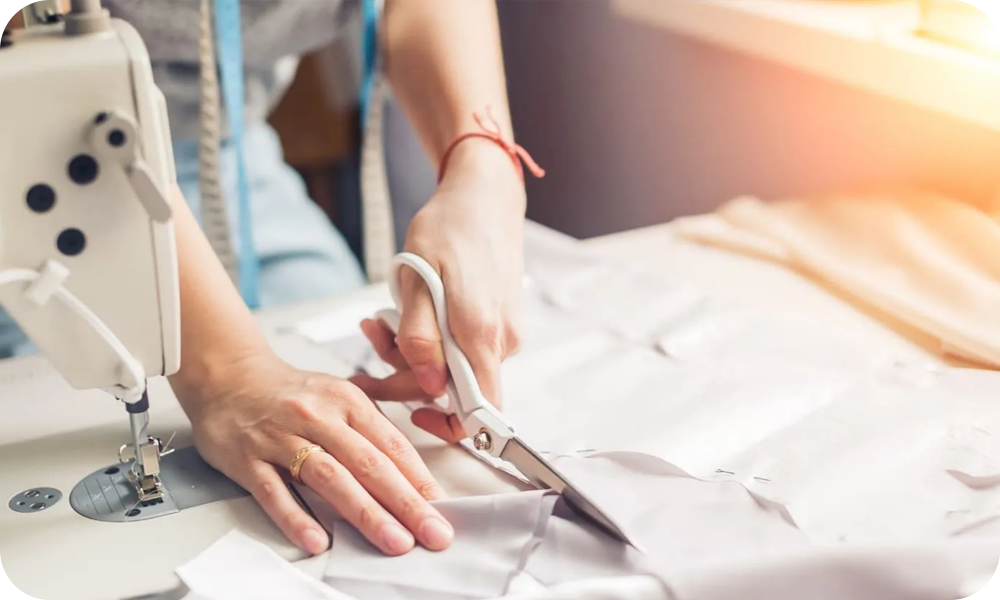
Samples provide a tangible representation of a manufacturer’s capabilities. Evaluating fit, stitching, and material quality helps determine whether the factory meets expectations. Sampling also allows for adjustments before bulk production.
A clothing manufacturer that delivers consistent samples demonstrates strong technical control. This indicates reliability in large-scale production. Multiple sample rounds may be required to achieve desired results.
Pricing Structure Analysis
Understanding pricing components helps identify cost drivers. These include materials, labor, and overhead expenses. Transparent pricing ensures that there are no hidden costs.
Cost Component |
Description |
Fabric |
Material cost per garment |
Labor |
Production and assembly cost |
Trims |
Zippers, buttons, accessories |
Logistics |
Shipping and handling |
A clothing manufacturer with clear pricing structures enables better financial planning. Comparing quotes across suppliers provides a broader perspective.
Lead Time Comparison
Lead time includes sampling duration and bulk production schedules. Comparing timelines helps identify manufacturers with efficient workflows. Faster lead times support quicker market entry.
Reliable manufacturers maintain consistent timelines even during peak periods. This ensures predictable delivery schedules.
Step 5 – Visit or Audit the Factory
What to Check During a Factory Visit
Factory visits provide direct insight into production conditions. Observing workflow organization, equipment quality, and worker conditions reveals operational standards. A well-managed clothing manufacturer maintains clean and structured facilities.
Quality control processes can also be evaluated during visits. This includes inspection points and testing procedures. Transparency in operations indicates reliability.
Third-Party Audits
When physical visits are not possible, third-party audits provide an alternative. Independent inspectors evaluate factory conditions and compliance. This ensures unbiased assessment.
A clothing manufacturer open to audits demonstrates confidence in its operations. Audit reports offer valuable information for decision-making.
Evaluating Long-Term Reliability
Consistency over time is a key factor in manufacturer selection. Reviewing production history and client feedback provides insight into reliability. Long-term partnerships require stable performance.
A manufacturer with a proven track record reduces uncertainty in future collaborations.
Step 6 – Negotiate Terms and Start Production
Payment Terms and Contracts
Clear payment terms establish financial expectations. Common structures include deposits and balance payments upon completion. Contracts define responsibilities and protect both parties.
A clothing manufacturer with transparent terms ensures smooth transactions. Legal clarity reduces potential disputes.
Production Agreements
Production agreements outline specifications, timelines, and quality standards. These documents serve as references throughout the manufacturing process. Clear agreements improve accountability.
Consistency in documentation ensures alignment between both parties.
Scaling Production
As demand increases, production capacity must scale accordingly. A clothing manufacturer capable of scaling supports business growth. Flexibility in production planning enables adaptation to market changes.
Scalability ensures long-term sustainability.
What to Look for in a Reliable Clothing Manufacturer
Technical Expertise
Technical expertise determines the quality and durability of garments. A clothing manufacturer with skilled technicians produces well-constructed products. Expertise in fabric performance enhances product functionality.
Specialized knowledge leads to better design execution.
Quality Control Systems
Quality control systems ensure consistency across production batches. Multiple inspection stages prevent defects. A structured system reflects professionalism.
Consistency in quality builds brand trust.
Supply Chain Integration
Integrated supply chains improve efficiency. A clothing manufacturer managing sourcing and production reduces delays. Coordination across stages enhances reliability.
Integration supports smoother operations.
Why Work with an Experienced Clothing Manufacturer
Efficiency and Process Optimization
Experienced manufacturers streamline workflows to improve efficiency. This reduces production time and minimizes errors. Process optimization enhances overall performance.
Consistency in operations leads to predictable outcomes.
Reduced Risk and Greater Stability
Working with an established clothing manufacturer reduces operational risks. Proven systems ensure reliable production. Stability supports long-term planning.
Reduced risk contributes to business confidence.
Access to Industry Knowledge
Experienced manufacturers offer insights into trends and materials. This supports better product development decisions. Knowledge sharing enhances competitiveness.
Industry expertise improves overall strategy.
Conclusion
Finding the right clothing manufacturer requires a structured approach that balances quality, efficiency, and long-term reliability. From defining product needs to evaluating production capabilities and negotiating terms, each step contributes to building a stable supply chain and consistent product output.
For businesses seeking a more integrated and efficient production solution, working with an experienced partner can simplify development and improve execution. If you are planning to move forward with your clothing manufacturing project, consider reaching out through the contact page to discuss your requirements, explore sampling options, and align on production timelines. Nanjing JXD-SPY Co., Ltd. provides integrated support across design, sampling, and bulk manufacturing, offering a reliable foundation for long-term apparel production.
FAQ
How do I find a reliable clothing manufacturer?
Start by researching online platforms, checking certifications, and requesting samples before making a decision.
What is the best country to find clothing manufacturers?
China, Vietnam, and Bangladesh are commonly chosen due to strong production capacity and cost advantages.
What is the minimum order quantity for clothing manufacturers?
MOQ varies depending on the manufacturer and product type, with some offering flexible options.
How long does clothing production take?
Sampling typically takes 1–3 weeks, while bulk production takes 4–8 weeks.
Should I choose OEM or ODM clothing manufacturers?
ODM is suitable for faster production and lower development effort, while OEM provides full design control.


