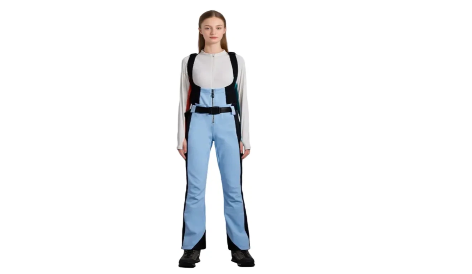
When you think about skiing, you might imagine fresh powder, crisp mountain air, and breathtaking scenery. However, every skier knows that comfort and performance on the slopes depend heavily on the right gear—particularly your ski jacket. It’s not just a piece of clothing; it’s a carefully engineered system designed to protect you from freezing temperatures while preventing you from overheating during intense activity.
This balance of warmth and breathability is what separates high-quality ski jackets from ordinary winter coats. But how exactly do breathable ski jackets keep you warm without causing you to overheat? Let’s explore the science, technology, and design innovations behind these essential garments.
1. Understanding the Science Behind Breathable Ski Jackets
At first glance, “breathable yet warm” sounds contradictory. After all, how can a jacket that lets air escape also keep you insulated? The secret lies in advanced fabric technologies and layered construction that manage moisture and temperature simultaneously.
Breathable ski jackets are designed to:
Retain heat to protect you from cold air and wind.
Release moisture vapor generated by your body when you sweat.
Block external elements like snow and rain from entering.
This delicate balance is achieved through high-performance materials and specialized membrane structures that allow water vapor to escape while preventing liquid water from getting in.
2. The Role of Fabric Membranes in Temperature Regulation
The heart of a breathable ski jacket lies in its membrane technology. These membranes, often made from materials like GORE-TEX®, eVent®, or proprietary polyurethane films, contain billions of microscopic pores per square inch. Each pore is small enough to block water droplets but large enough for water vapor molecules (from sweat) to pass through.
Here’s how it works:
When you exert yourself while skiing, your body generates heat and moisture.
This moisture turns into vapor, which needs to escape to prevent dampness inside the jacket.
The breathable membrane allows vapor to exit while stopping external snow or rain from entering.
As a result, you stay dry, warm, and comfortable, even during periods of high activity.
3. Key Components of a Breathable Ski Jacket
To understand why these jackets are so effective, let’s break down the main components:
a. Outer Shell
The outer layer is made of durable, water-repellent material. It’s often treated with a Durable Water Repellent (DWR) coating that causes snow and water to bead up and roll off, preventing moisture from saturating the fabric.
b. Waterproof/Breathable Membrane
This is the core functional layer that manages moisture exchange. It ensures sweat vapor escapes while blocking water from the outside.
c. Insulation Layer
Insulation is responsible for trapping heat. Depending on the jacket design, insulation may be synthetic (like PrimaLoft®) or natural (like down). Synthetic insulation is often preferred for ski jackets because it maintains warmth even when damp and dries quickly.
d. Lining Layer
The inner lining helps wick moisture away from your base layers, promoting faster evaporation and ensuring comfort next to your skin.
Together, these layers create a microclimate that regulates your body temperature and keeps you dry under varying weather and activity levels.

4. How Breathability Prevents Overheating
When skiing, your body generates significant heat due to physical exertion—especially during long runs, climbing, or high-speed maneuvers. Without proper ventilation, that heat and moisture would accumulate, making you feel clammy and uncomfortable.
A breathable ski jacket prevents this by continuously releasing excess heat and humidity, allowing the microclimate inside your jacket to remain balanced. This ensures that even when your body temperature rises, you don’t overheat.
Modern jackets often feature strategic ventilation systems, such as:
Underarm vents (pit zips) for releasing hot air quickly.
Mesh-lined pockets that double as extra ventilation points.
Adjustable cuffs and collars to fine-tune airflow based on activity level.
These features allow skiers to regulate temperature on the go—staying warm on the chairlift and cool during high-energy descents.
5. Insulation Types: Keeping Warm Without Bulk
The insulation inside your ski jacket plays a major role in warmth management. The challenge for designers is to provide enough insulation to retain heat without making the jacket bulky or trapping too much warmth.
Here are the main types of insulation used in breathable ski jackets:
a. Synthetic Insulation
Materials like Thinsulate or PrimaLoft are engineered to mimic the structure of natural down but with added benefits:
Lightweight and compressible
Retains warmth even when wet
Quick-drying and easy to maintain
Synthetic-insulated jackets are ideal for damp or variable conditions, offering reliable warmth without overheating.
b. Down Insulation
Natural down (from ducks or geese) provides excellent warmth-to-weight ratio and is favored for very cold, dry conditions. However, it’s less breathable and loses insulation properties when wet unless treated with hydrophobic coatings.
c. Hybrid Designs
Many modern ski jackets combine synthetic and down insulation to balance warmth, breathability, and weight. For example, down in the core areas and synthetic insulation in moisture-prone zones like sleeves or shoulders.
6. Moisture Management and Layering Systems
Breathable ski jackets work best as part of a layered clothing system. Each layer plays a specific role:
Base Layer: Wicks sweat away from your skin.
Mid Layer: Provides insulation and retains heat.
Outer Layer (Ski Jacket): Protects from wind, snow, and moisture while allowing vapor to escape.
If the outer layer (your ski jacket) wasn’t breathable, trapped sweat from your base and mid layers would condense, making you cold and wet. The breathable design allows this moisture to pass through all layers, ensuring comfort and warmth throughout your activity.
7. Waterproof Ratings vs. Breathability Ratings
When shopping for a ski jacket, you’ll often encounter terms like “10,000mm/10,000g” or “20K/15K”—these indicate waterproof and breathability ratings.
Rating | Waterproof Level (mm) | Breathability (g/m²/24h) | Performance Level |
5K / 5K | Light rain, low activity | Minimal breathability | Basic use |
10K / 10K | Moderate snow/rain | Good for recreational skiing | Balanced performance |
20K / 20K | Heavy snow, active skiing | Excellent moisture release | High performance |
30K+ / 25K+ | Extreme conditions | Maximum breathability | Professional-grade |
A 20K/20K jacket typically offers the best combination for most skiers—keeping out heavy snow and allowing sufficient ventilation during intense runs.
8. Smart Design Features for Breathable Comfort
Modern ski jackets incorporate a range of smart design elements to optimize comfort and functionality:
Adjustable Hood: Fits snugly over helmets and provides protection without restricting movement.
Powder Skirt: Prevents snow from entering the jacket during falls or deep powder skiing.
Underarm Zippers: Allows quick ventilation during uphill climbs or warm spells.
Articulated Sleeves: Ensures full range of motion without pulling at the seams.
Moisture-Wicking Linings: Draws sweat away from the body and accelerates evaporation.
Together, these design elements enhance both thermal regulation and user comfort, making your time on the slopes more enjoyable.
9. Sustainability in Breathable Ski Jackets
As outdoor enthusiasts become more environmentally conscious, ski jacket manufacturers are adopting sustainable materials and eco-friendly production methods.
Some common innovations include:
Recycled Fabrics: Using polyester made from recycled plastic bottles.
PFC-Free DWR Coatings: Eliminating harmful perfluorinated compounds in water repellents.
Durable Construction: Designing jackets that last longer, reducing waste over time.
Breathability and warmth no longer come at the cost of environmental responsibility—many brands now prioritize both performance and sustainability.
10. Choosing the Right Breathable Ski Jacket
Selecting the right jacket depends on several factors, including your skiing style, climate, and personal preferences. Here’s a quick guide:
Factor | Recommendation |
Skiing Intensity | Choose higher breathability (20K+) if you ski aggressively or hike uphill. |
Weather Conditions | Prioritize higher waterproof rating for wet or snowy climates. |
Temperature Range | Go for synthetic insulation in variable conditions; down for extremely cold, dry weather. |
Fit and Comfort | Ensure enough room for layering but not too loose to cause heat loss. |
Ventilation Options | Look for pit zips, mesh vents, and adjustable collars for on-demand airflow. |
Investing in a jacket that suits your exact needs ensures you stay comfortable, dry, and warm in all conditions.
11. Common Myths About Breathable Ski Jackets
Myth 1: Breathable Jackets Aren’t Warm Enough
In reality, breathability doesn’t reduce warmth—it regulates it. The goal is not to trap heat but to maintain a stable temperature.
Myth 2: More Insulation Means Better Warmth
Excess insulation can cause overheating and perspiration, which eventually makes you feel colder. Breathable designs use smarter insulation placement instead.
Myth 3: All Waterproof Jackets Are Breathable
Many waterproof jackets lack the micro-porous membranes needed for vapor release. True breathable jackets offer both waterproofing and vapor permeability.
12. Maintenance Tips for Longevity
To maintain your jacket’s breathability and water resistance:
Regularly wash with specialized detergent to remove sweat and dirt buildup.
Reapply DWR treatment when water no longer beads on the surface.
Air dry or tumble dry on low to reactivate fabric coatings.
Store properly in a cool, dry place between seasons.
Proper care extends the lifespan and performance of your jacket season after season.
Conclusion
A breathable ski jacket is far more than just winter apparel—it’s a sophisticated piece of performance engineering. By combining waterproof protection, efficient insulation, and advanced breathability, it ensures you stay warm, dry, and comfortable across changing mountain conditions.
The next time you hit the slopes, remember that your jacket is working hard to manage heat, moisture, and comfort simultaneously—so you can focus on perfecting your turns and enjoying the ride.
If you’re looking to explore high-quality, breathable ski jackets designed for comfort and performance, visit Nanjing JXD-SPY Co., Ltd.. With years of expertise in outdoor apparel manufacturing, they provide innovative ski jacket solutions that balance warmth, breathability, and durability—ideal for both recreational skiers and professionals.