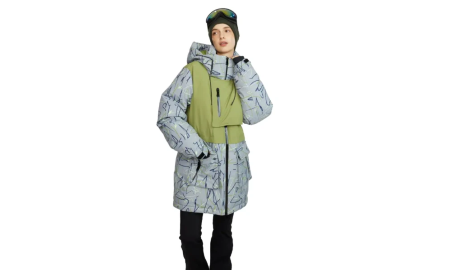
As outdoor recreation and winter sports continue to thrive worldwide, the global ski jacket market is experiencing significant transformation in 2025. What was once a niche product designed primarily for alpine athletes has now evolved into a mainstream apparel category combining high performance, sustainability, and fashion-forward design.
Consumers today are more informed, environmentally conscious, and technologically savvy than ever before. From the slopes of the Alps to the streets of Tokyo and Vancouver, ski jackets are no longer just functional outerwear—they’ve become a statement of lifestyle and identity.
This article explores the key trends shaping the global ski jacket market in 2025, the driving forces behind changing consumer preferences, and what manufacturers and retailers should anticipate in the coming years.
1. Expanding Market Demand and Global Growth Outlook
According to recent industry analyses, the global ski jacket market is projected to grow steadily through 2030, driven by rising participation in winter sports and increasing interest in outdoor activities. The expansion of ski resorts in emerging economies—particularly in Asia-Pacific regions like China, South Korea, and Japan—has broadened the customer base for performance winter apparel.
Europe and North America continue to dominate the market, supported by well-established skiing cultures and a strong consumer preference for high-quality, branded outerwear. However, the Asia-Pacific market is witnessing the fastest growth rate, as winter tourism, artificial ski resorts, and international ski events gain popularity.
This globalization of skiing culture has created a new wave of consumers seeking durable, weather-resistant, and stylish ski jackets that can perform both on and off the slopes.
2. Sustainability Takes Center Stage
One of the defining trends in 2025 is the emphasis on sustainability. Today’s consumers are highly conscious of the environmental footprint of the products they buy. In the ski apparel industry, this has led to a strong shift toward eco-friendly materials, ethical production, and circular design principles.
Key Sustainability Trends:
Recycled Fabrics: Many leading brands are incorporating recycled polyester and nylon made from discarded plastic bottles, fishing nets, and post-consumer waste.
PFC-Free Waterproofing: The traditional fluorinated chemicals used for water resistance are being replaced with safer, non-toxic alternatives.
Durability Over Disposability: Consumers are investing in longer-lasting ski jackets rather than fast-fashion options, recognizing that durability is also a form of sustainability.
Traceable Supply Chains: Transparent sourcing, verified certifications (like bluesign or OEKO-TEX), and fair labor practices are becoming standard expectations.
Sustainability has evolved from a marketing buzzword into a core purchasing criterion for ski jacket buyers, influencing not only material choice but also brand reputation.
3. Technological Innovations in Fabric and Design
The modern ski jacket is a marvel of textile innovation. 2025 has seen continued advancement in technical fabrics, seam technologies, and intelligent design features that enhance performance and comfort under extreme conditions.
a. Smart Fabrics and Thermal Regulation
Smart textiles equipped with temperature-responsive fibers are becoming more common. These materials adapt to body heat and environmental temperature, providing warmth when needed and breathability during high activity.
b. Improved Waterproof and Breathable Membranes
New membrane technologies—such as GORE-TEX ePE (expanded polyethylene) and Dermizax NX—offer high waterproof ratings while maintaining excellent ventilation. This ensures that skiers stay dry both from external snow and internal perspiration.
c. Seamless Construction and 3D Fit
Modern ski jackets use laser cutting and seamless bonding to reduce bulk and improve flexibility. 3D ergonomic patterning enhances mobility, allowing wearers to move naturally while skiing or snowboarding.
d. Integration of Wearable Technology
Some premium models now incorporate built-in heating systems, Bluetooth connectivity, or emergency tracking chips. These features are especially valued by backcountry skiers and adventure travelers.
Technological innovation is not only enhancing comfort and performance—it’s also redefining what consumers expect from high-end ski apparel.

4. The Rise of Hybrid and Multi-Functional Jackets
Consumers in 2025 are looking for versatility and practicality. The ski jacket is no longer confined to the slopes—it’s now designed for both mountain performance and urban wear.
Hybrid ski jackets, which combine technical outer shells with removable inner layers, have become increasingly popular. These modular designs allow users to adjust insulation based on temperature or activity level, making one jacket suitable for multiple environments.
For example:
3-in-1 systems with detachable fleece or down liners provide flexibility across seasons.
Lightweight shells with high breathability are ideal for hiking or commuting in cold, wet climates.
Softshell ski jackets offer a sleek, casual appearance suitable for city use.
This shift toward multi-functionality reflects the modern consumer’s desire for fewer, higher-quality garments that meet multiple needs—an evolution closely tied to sustainability and minimalist living trends.
5. Fashion Meets Function: Aesthetic Trends in 2025
While performance remains critical, style has become an equally important factor in ski jacket purchasing decisions. The ski jacket has transitioned from technical gear into a fashion statement, appealing not only to athletes but also to urban consumers embracing the “ski-luxe” aesthetic.
Key Design Trends:
Bold Color Blocking: Bright, contrasting colors—such as cobalt blue, orange, and lime green—reflect a return to 1980s-inspired ski fashion.
Minimalist Design: Sleek, neutral tones like charcoal, beige, and forest green dominate the urban market.
Gender-Neutral Styles: Unisex silhouettes and adjustable fits cater to inclusivity and versatility.
Retro Revival: Vintage-inspired ski jackets are being reimagined with modern materials and cuts, blending nostalgia with performance.
Social media has played a massive role in this transformation. Influencers and outdoor content creators showcase fashionable ski apparel that performs well on the slopes yet looks great in lifestyle photography. As a result, brands are designing jackets that bridge the gap between sport and style, targeting both performance-driven and fashion-conscious audiences.
6. The Growing Popularity of Customization
Consumers are increasingly seeking personalized products that reflect their identity and preferences. In 2025, customization has become a major differentiator in the ski jacket market.
Manufacturers now offer:
Custom color combinations and patterns
Personalized logo embroidery or monograms
Adjustable fit systems for different body shapes
Modular accessories, such as detachable hoods or sleeves
Online configuration tools allow buyers to design their own jackets before purchase, strengthening brand engagement and reducing overproduction by producing on demand. Customization aligns perfectly with the modern consumer’s desire for uniqueness, sustainability, and quality.
7. Influence of Digitalization and E-Commerce
The global ski jacket market has also been transformed by digital technologies and e-commerce growth. Online shopping, augmented reality (AR) fitting rooms, and virtual product visualization have become standard features for major outdoor apparel brands.
Key Digital Trends:
Virtual Try-Ons: AR fitting tools allow consumers to preview how a ski jacket looks and fits without visiting a store.
AI-Powered Recommendations: Artificial intelligence analyzes customer preferences to suggest ideal sizes, styles, and insulation types.
Direct-to-Consumer (DTC) Sales Models: Brands are increasingly bypassing intermediaries, offering better pricing and customer service online.
The integration of digital platforms has expanded brand reach to global audiences while enabling data-driven product development that aligns closely with consumer needs.
8. Shifting Consumer Demographics
The ski jacket market is evolving alongside changing consumer demographics. The traditional customer—experienced skiers in Europe and North America—has now been joined by a younger, more diverse audience.
Emerging Consumer Segments:
Young Adventure Travelers: Motivated by social media and lifestyle branding, they seek stylish, multifunctional jackets suitable for travel and casual wear.
Eco-Conscious Shoppers: This group prioritizes sustainable materials and transparent supply chains.
Female Athletes and Outdoor Enthusiasts: The demand for women-specific designs that balance performance and aesthetics is rapidly growing.
Urban Consumers: In major cities, ski jackets are being adopted as fashionable outerwear during winter months, even by non-skiers.
These shifting demographics are reshaping marketing strategies and encouraging brands to broaden their appeal beyond traditional alpine sports enthusiasts.
9. Competitive Landscape and Innovation Leadership
Competition within the global ski jacket market remains fierce. Leading outdoor brands continue to innovate, but smaller manufacturers are also gaining attention through sustainable materials, ethical production, and design originality.
Brands that can balance technical excellence with environmental responsibility and style appeal are leading the market. Collaboration with material science innovators, apparel designers, and even tech companies has become common, resulting in groundbreaking developments in both functionality and aesthetics.
10. Future Outlook: The Road Ahead for Ski Jacket Manufacturers
Looking ahead, the ski jacket industry in 2025 and beyond will likely continue to evolve around three main pillars: technology, sustainability, and personalization. Consumers will expect more transparency, smarter materials, and fashion-forward versatility—all delivered through eco-friendly production processes.
Manufacturers who adopt a holistic approach—combining innovative fabric technologies, responsible sourcing, and customer-driven design—will be best positioned to thrive in the increasingly competitive global market.
Conclusion
The global ski jacket market in 2025 reflects a broader cultural shift: consumers no longer view winter apparel as purely functional gear but as an expression of values, technology, and lifestyle. From sustainable materials to smart designs and personalized aesthetics, today’s buyers expect their ski jackets to perform seamlessly in every environment—whether carving down a mountain or walking city streets.
For brands and factories aiming to stay ahead, understanding these consumer trends is essential. Companies that align with sustainability goals, invest in advanced materials, and offer stylish, versatile designs will lead the next wave of market growth.
If you are exploring opportunities to source or customize high-quality ski jackets that combine performance, comfort, and innovation, you can learn more from Nanjing JXD-SPY Co., Ltd. The company specializes in advanced outerwear manufacturing and offers tailored solutions that meet the evolving demands of today’s global ski apparel market. Their expertise and commitment to quality make them a valuable partner for businesses seeking reliable and cutting-edge ski jacket production.