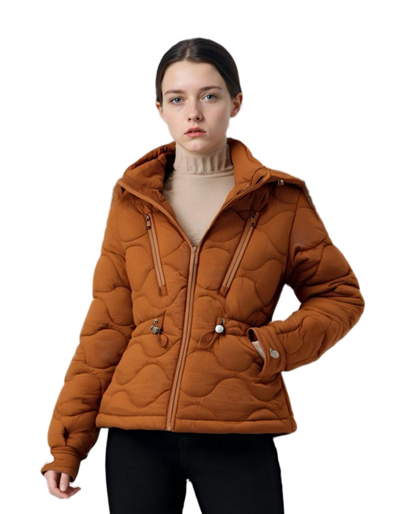
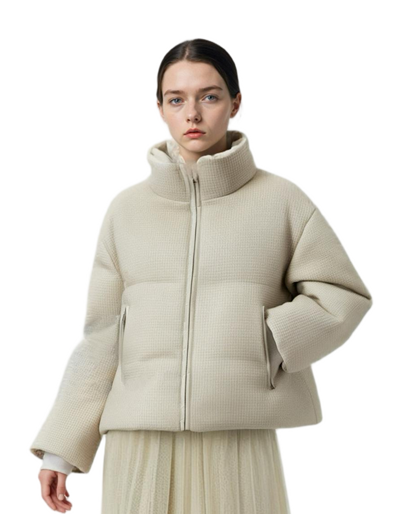
1. Introduction
When the temperatures plunge, staying warm becomes a top priority. Puffer jackets are a popular choice, but do they really keep you warm in extreme cold? In this article, we’ll explore the effectiveness of puffer jackets in harsh winter conditions. You’ll learn about their insulation, durability, and how they compare to other cold-weather options.
2. What Makes Puffer Jackets Suitable for Cold Weather?
Insulation Types and Performance

Puffer jackets are primarily known for their insulating capabilities, which is what makes them ideal for cold weather. There are two main types of insulation used in puffer jackets: down and synthetic materials.
● Down Insulation: This is made from the soft under-feathers of geese or ducks. Down insulation has a high warmth-to-weight ratio, meaning it provides superior warmth without adding bulk. It traps air, which helps keep your body heat from escaping, making it excellent for extreme cold, especially in dry climates.
● Synthetic Insulation: This is typically made from polyester fibers and is designed to mimic the properties of down. While synthetic fills are generally heavier than down, they perform well in wet conditions as they retain warmth even when wet. For extremely cold environments, synthetic jackets tend to be slightly less efficient in heat retention compared to down, but they still provide reliable warmth.
Tip: If you're in a very cold but dry climate, down-insulated puffer jackets are a great choice. However, if you expect wet or humid conditions, synthetic-fill puffer jackets may perform better.
Water Resistance and Durability
A crucial aspect of puffer jackets in extreme cold is their ability to protect against water and wind, which can undermine insulation.
● Water-Resistant Materials: Many puffer jackets come with a durable water-repellent (DWR) coating, which helps repel rain and snow. This feature prevents moisture from soaking into the jacket, which can otherwise reduce its ability to retain warmth.
● Sealed Seams and Windproofing: Puffer jackets with sealed or taped seams offer extra protection from water and wind. These features are essential for keeping you warm in extreme weather conditions, ensuring no cold air can sneak in and reduce your body temperature.
3. Factors Affecting Puffer Jacket Performance in Extreme Cold
Down vs. Synthetic Fill: Which is Better?
When it comes to choosing between down and synthetic fills, it depends on the specific conditions you will face.
● Down Jackets: These jackets are typically warmer and lighter, providing optimal insulation for extremely cold, dry climates. They are the best option for conditions where you don’t expect to get wet.
● Synthetic Puffer Jackets: If you are heading into wet or humid environments, synthetic jackets are the better choice as they will continue to insulate even when damp. However, they are usually bulkier than down jackets and might not provide the same level of warmth in extreme cold.
Feature | Down Puffer Jackets | Synthetic Puffer Jackets |
Warmth | Superior warmth-to-weight ratio, ideal for dry, extreme cold | Good insulation, but not as efficient in extreme cold |
Weight | Lightweight and compressible | Slightly heavier, less compressible |
Moisture Resistance | Loses warmth if wet | Retains warmth even when wet |
Water Resistance | Often water-resistant but not fully waterproof | Typically more water-resistant and performs better in damp conditions |
Price | More expensive | More affordable |
Durability | High durability in dry conditions | More durable in wet and humid environments |
Tip: For extreme cold conditions, down is usually better, but if moisture is a concern, synthetic is a strong alternative.
Fit and Layering Capabilities
The fit of a puffer jacket plays a significant role in its performance. A well-fitting jacket traps warmth more effectively, while a jacket that is too loose or too tight may compromise insulation.
● Layering: For extreme cold, layering is essential. A puffer jacket should be roomy enough to allow for thermal base layers, while still being snug enough to keep the cold out. Look for jackets that offer adjustable hoods, cuffs, and hems for a custom fit.
Tip: Ensure your puffer jacket has enough space for layering without being too bulky. A perfect fit is key to trapping warmth efficiently.
Weather Resistance Features
In extreme cold, a puffer jacket’s ability to resist wind and water is just as important as its insulation. A jacket with windproof and waterproof features can help maintain warmth and protect against the elements.
● Waterproof Coating: A jacket with a waterproof exterior ensures that rain or snow won’t soak through and reduce its insulation.
● Windproofing: The jacket’s outer shell should block wind, which can strip away body heat and make you feel colder.
4. Are Puffer Jackets Good for Extreme Cold?
Effectiveness in Freezing and Snowy Environments
Puffer jackets are well-suited for cold, dry environments, such as snowy conditions and freezing temperatures. The high fill-power down or synthetic insulation traps body heat efficiently, allowing you to stay warm even in sub-zero temperatures.
● Best Use: Ideal for outdoor activities like skiing, snowboarding, and winter hiking.

Performance in Wet or Humid Cold
While puffer jackets perform well in dry conditions, they can struggle in wet or humid environments. When the insulation gets wet, its ability to trap heat decreases, which can make you feel colder.
● Moisture Challenges: If you expect rain or heavy snow, synthetic puffer jackets are a better choice since they retain warmth even when damp.
Recommendations for Extreme Cold
To maximize warmth in extreme cold, choose a puffer jacket with:
● High-fill down or high-quality synthetic insulation.
● Waterproof or water-resistant features.
● Adjustable features to customize fit and trap heat.
5. Key Features to Look for in a Puffer Jacket for Extreme Cold
Insulation Quality and Fill Power
The higher the fill power, the better the warmth-to-weight ratio. Jackets with high-quality down (700-fill or higher) provide excellent warmth for extreme cold.
● Synthetic Insulation: Look for synthetic jackets with advanced technology like Primaloft or Thinsulate, which provide similar warmth to down while being water-resistant.
Waterproof and Windproof Features
A good puffer jacket should feature a water-resistant outer shell to protect you from the elements. Sealed seams and windproof coatings are also crucial for blocking cold winds.
● Additional Features: Jackets with adjustable cuffs, hoods, and hemlines provide extra protection against the cold.
Tip: Always choose a puffer jacket with both insulation and weather-resistant features for extreme cold conditions.
Collar, Cuffs, and Hood Designs for Heat Retention
Heat tends to escape from areas like the neck, wrists, and head. Look for jackets with high collars, adjustable cuffs, and hoods with drawstrings to keep warm air trapped inside.
6. How to Layer for Maximum Warmth with a Puffer Jacket
Layering Strategies in Extreme Cold
Layering is key when wearing a puffer jacket in extreme cold. Start with a moisture-wicking base layer, followed by a thermal layer for insulation, and top it off with your puffer jacket for wind and water protection.
● Base Layer: A lightweight thermal shirt or long underwear traps heat close to your skin.
● Mid-Layer: A fleece or wool sweater adds warmth.
● Outer Layer: The puffer jacket locks in heat and protects against cold winds.
Base Layer and Thermal Options
Thermal undergarments like merino wool or moisture-wicking synthetics are excellent choices. They trap heat while keeping moisture away from your body.
7. Alternatives to Puffer Jackets for Extreme Cold
Parka Jackets vs. Puffer Jackets
While puffer jackets are great for cold conditions, parkas offer extended coverage and additional insulation for extremely cold temperatures. Parkas typically extend down to the thighs or knees, providing extra protection.
● Puffer Jackets: Best for mobility and moderate cold.
● Parkas: Best for extreme cold and prolonged exposure to harsh elements.
Choosing the Right Jacket Based on Activity
If you’re heading to a ski resort or snowy trail, a puffer jacket is perfect for high mobility. However, for a long day in freezing temperatures, a parka might provide more protection.
Conclusion
Puffer jackets are effective for extreme cold, especially those with high-fill down or advanced synthetic insulation. Key factors like insulation quality, waterproofing, and fit are crucial in ensuring warmth. For extreme conditions, choose a jacket with strong weather resistance and excellent heat retention. Nanjing JXD-SPY Co., Ltd. offers high-quality puffer jackets designed for extreme cold, providing warmth and durability for outdoor adventures.
FAQ
Q: Are puffer jackets good for extreme cold?
A: Yes, puffer jackets are excellent for extreme cold, especially those with high-fill down or synthetic insulation. They trap body heat efficiently and provide excellent warmth in freezing temperatures.
Q: What is the best puffer jacket for extreme cold?
A: The best puffer jackets for extreme cold have high-quality down insulation or advanced synthetic fill. Look for jackets with waterproofing, windproofing, and good layering capabilities for optimal warmth.
Q: How do puffer jackets keep you warm in extreme cold?
A: Puffer jackets keep you warm by trapping heat with insulation materials like down or synthetic fibers. Their quilted design helps evenly distribute warmth and prevent heat loss.
Q: Can I wear a puffer jacket in wet conditions?
A: Some puffer jackets, especially those with synthetic insulation, are designed to handle wet conditions better. However, it's important to choose a water-resistant or waterproof model for maximum protection.
Q: Are puffer jackets suitable for outdoor activities in extreme cold?
A: Yes, puffer jackets are great for outdoor activities like hiking and skiing in extreme cold. They offer warmth without restricting movement, and their lightweight design ensures comfort during physical activities.